

Our Petting Zoo Workshop: Turning Imagination into Something You Can Hold
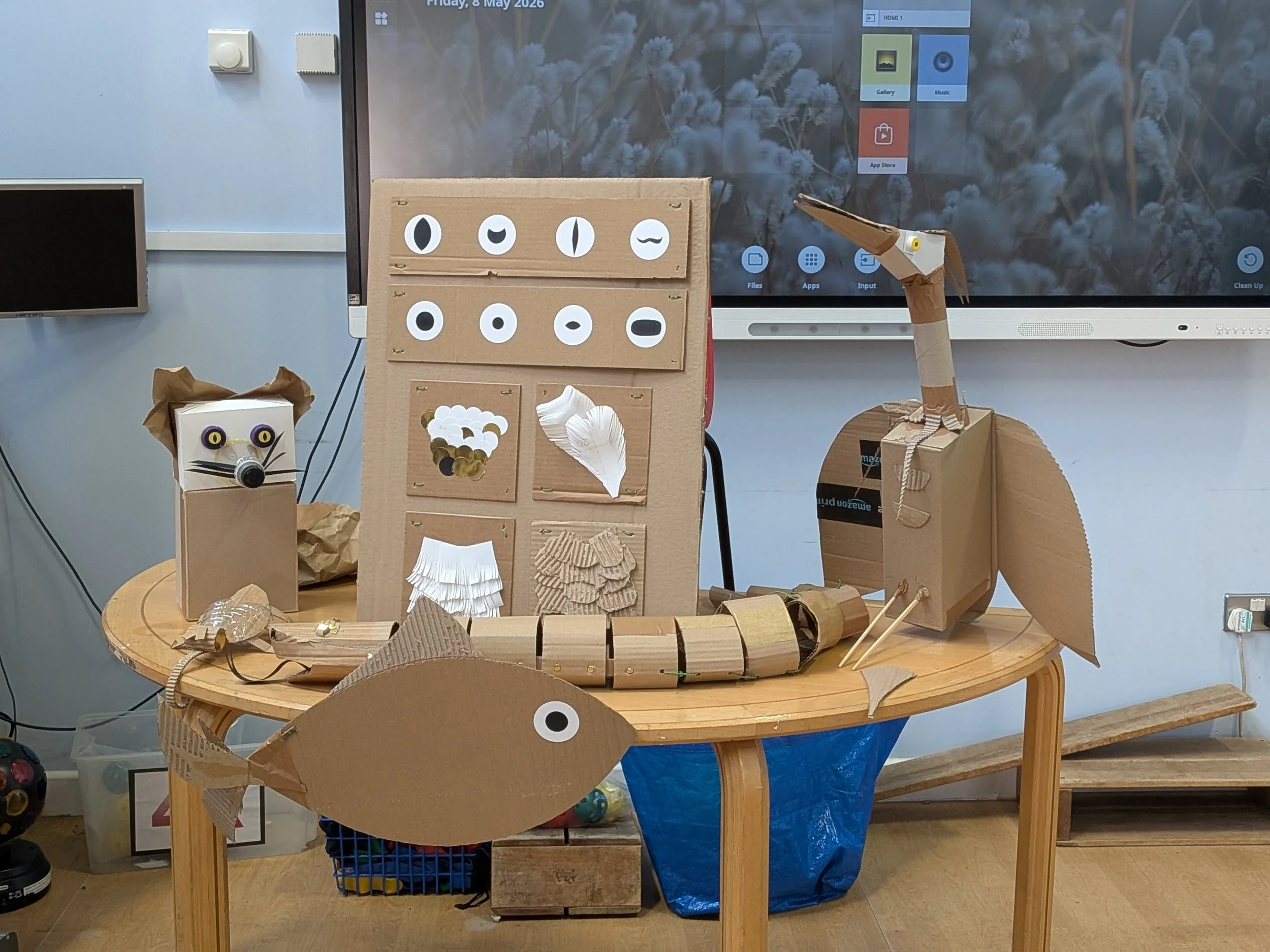
What happens when a child is given an empty table, a pile of cardboard, ribbons, paper, googly eyes and a simple invitation to invent an animal?
At our Petting Zoo workshop, families set out to answer that question together. Parents and caregivers worked alongside children to design creatures that could resemble animals they knew, borrow features from several species at once, or exist entirely outside the natural world. There were feathered mammals, animals with four eyes, and creatures whose names had never been spoken before until the children invented them.
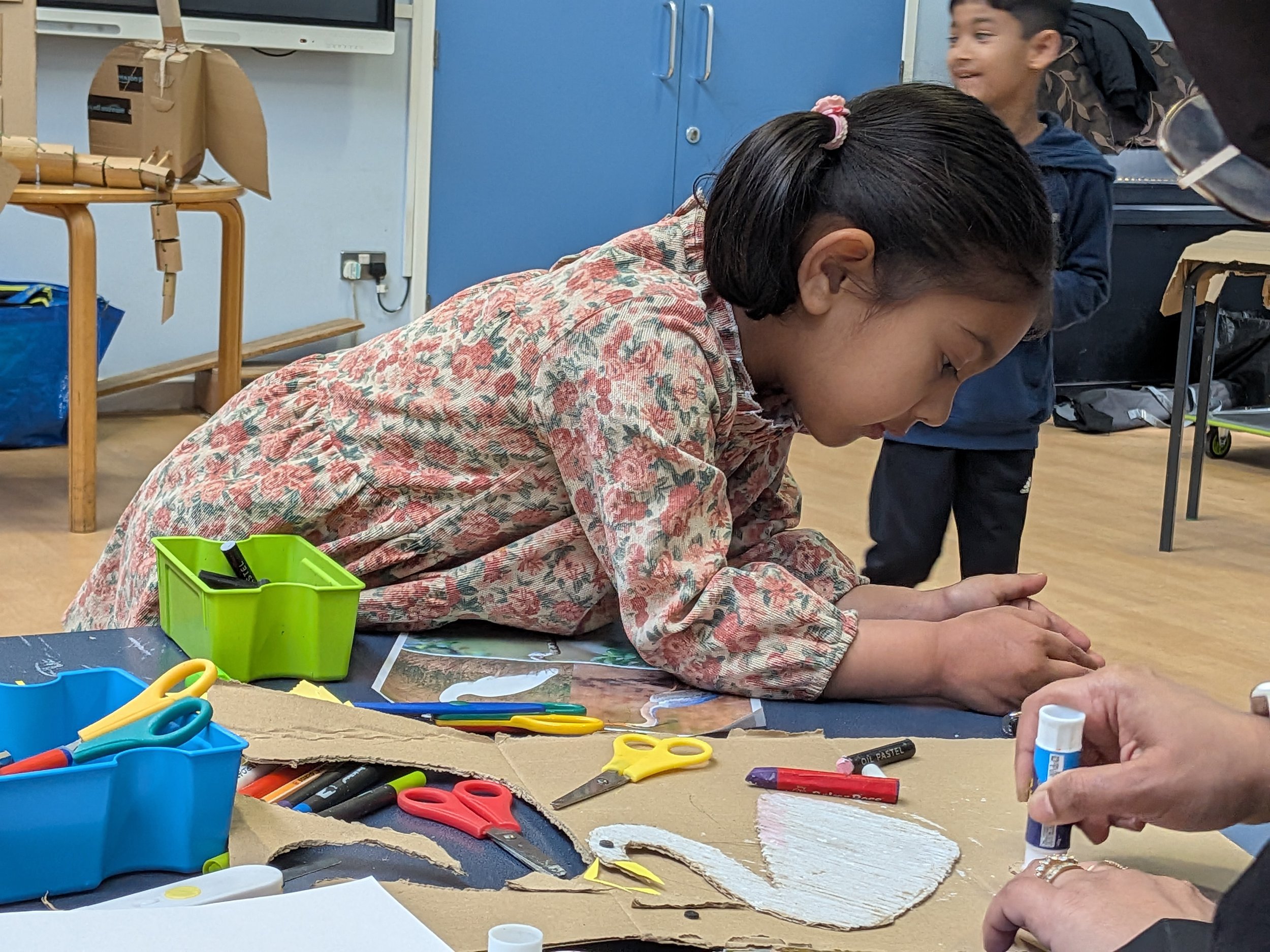
Watching these ideas develop was a reminder that imagination is rarely a sudden flash of inspiration. More often, it is a process of thinking, testing, changing direction and trying again.
As children began making, they continually returned to the image they had in their minds, asking themselves whether their creation looked quite right, whether it needed another leg, longer ears or brighter colours. Many narrated their thinking as they worked, explaining the personalities of their animals, what they liked to eat, where they lived and, eventually, what they should be called. Naming their creations became part of making the imagined feel real.
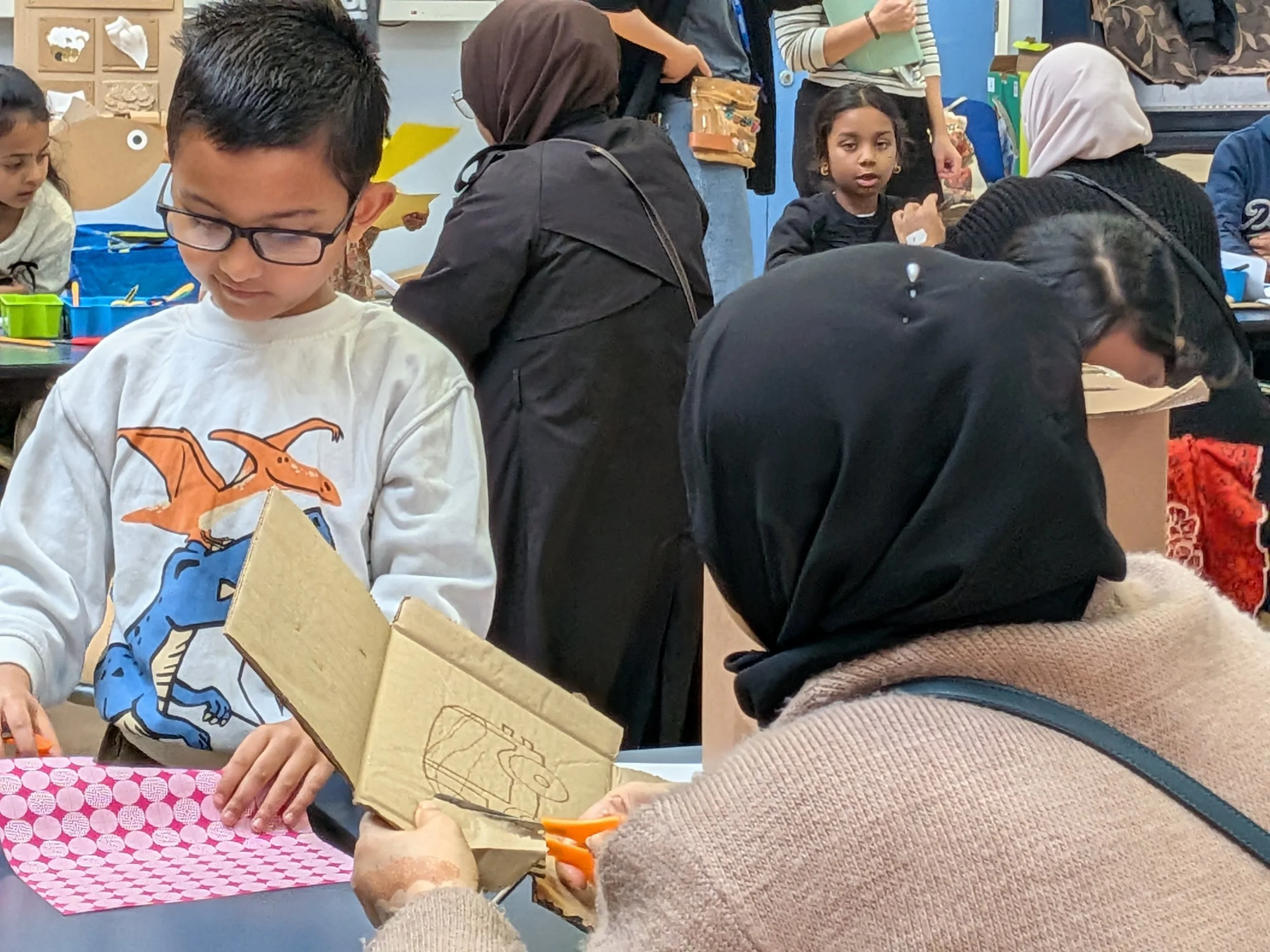
This kind of making sits at the heart of our approach to learning. Constructionism suggests that children build understanding most effectively when they are actively creating something meaningful. Open-ended play gives them permission to explore without worrying about finding the "correct" answer, while the process itself develops habits such as persistence, curiosity, reflection and flexible thinking.
The workshop also explored the value of learning through physical experience. Cutting, folding, threading, sticking and balancing materials requires children to think with both their hands and their minds. As they manipulate materials, abstract ideas gradually become tangible, strengthening understanding in ways that passive activities cannot.
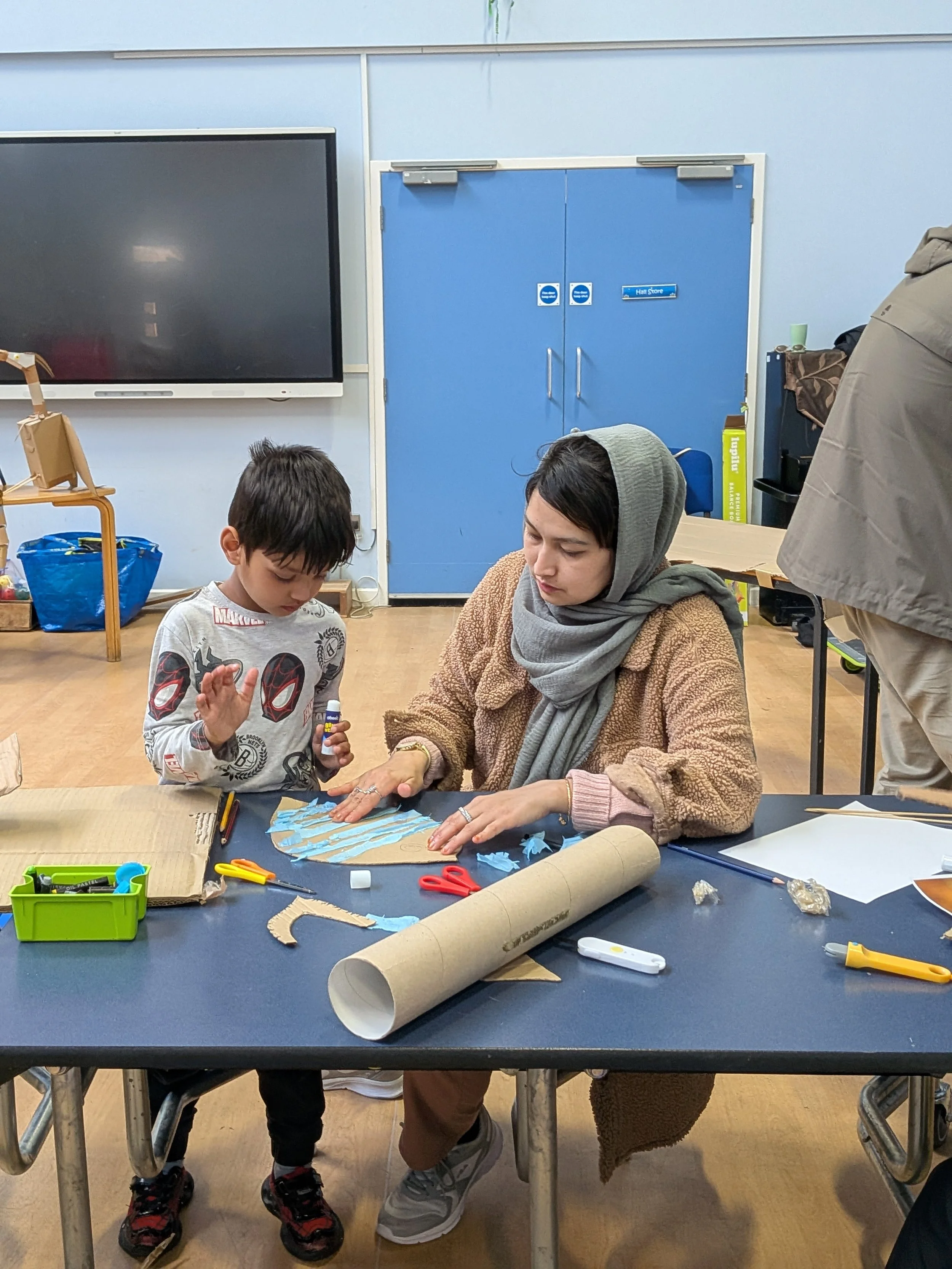
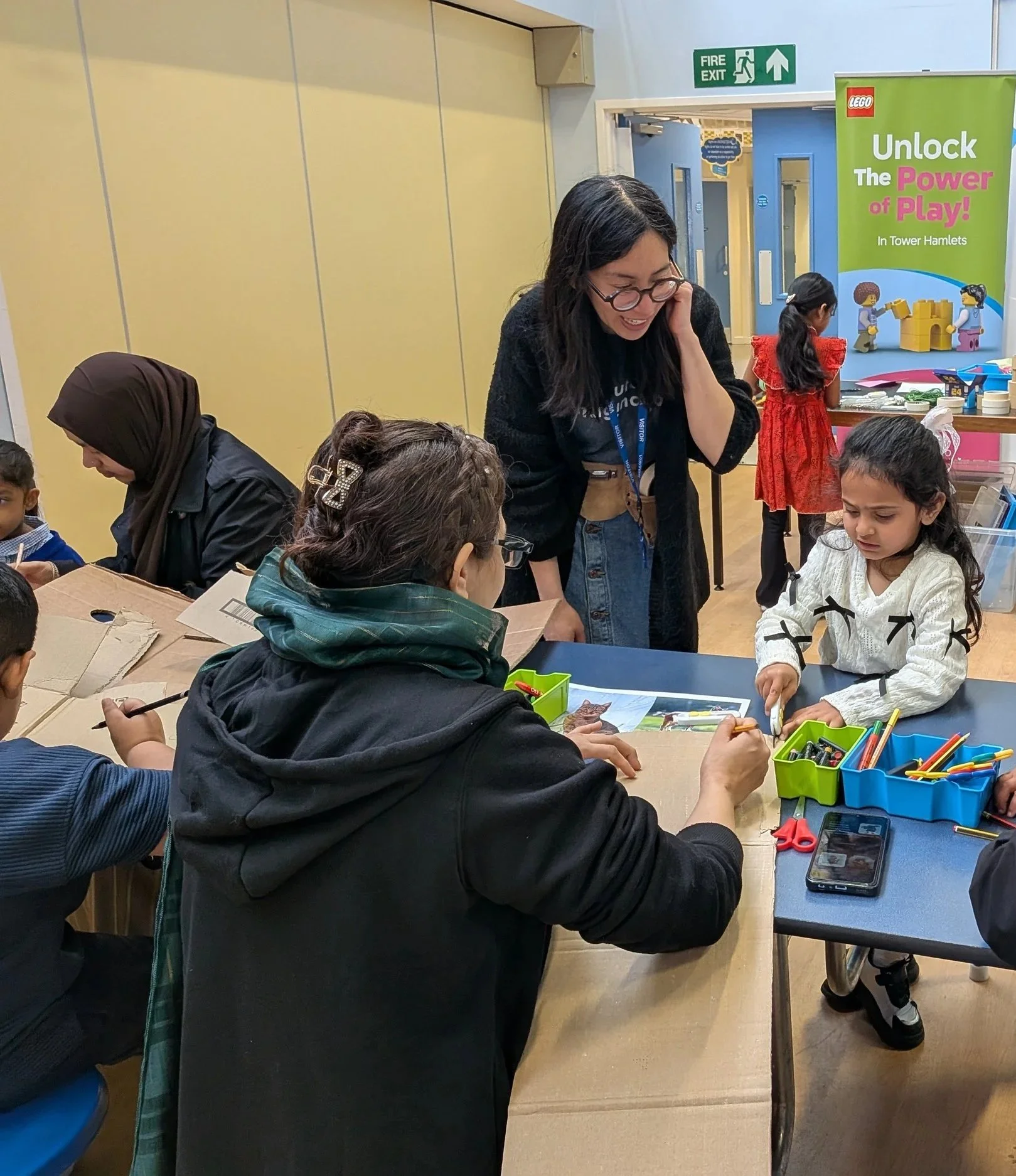
For parents and caregivers, the workshop offers something equally valuable. Uninterrupted time spent creating together. Without the pace and distraction of screens, conversations naturally emerge around the table. Adults become collaborators rather than instructors, helping solve practical challenges while following the child's lead. It creates space for shared problem-solving, storytelling and laughter, all centred around an idea that belongs entirely to the child.
The finished animals were wonderfully varied (take a look below!), but the most meaningful part of the workshop was not what children made. It was watching them work to materialise an idea that had previously existed only in their imagination, refining it as they went until they could place it on the table, give it a name and proudly introduce it to everyone else.
That journey, from imagining to making, is where some of the richest learning takes place.
Cardboard Creations


