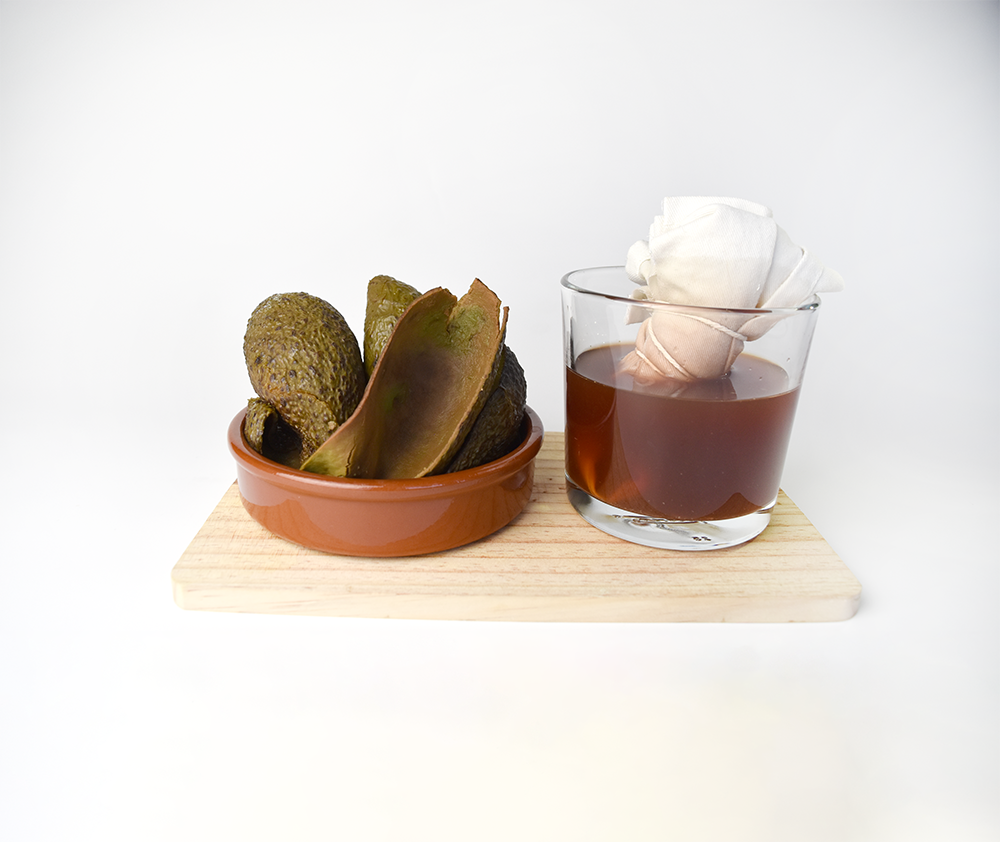
Natural Inks
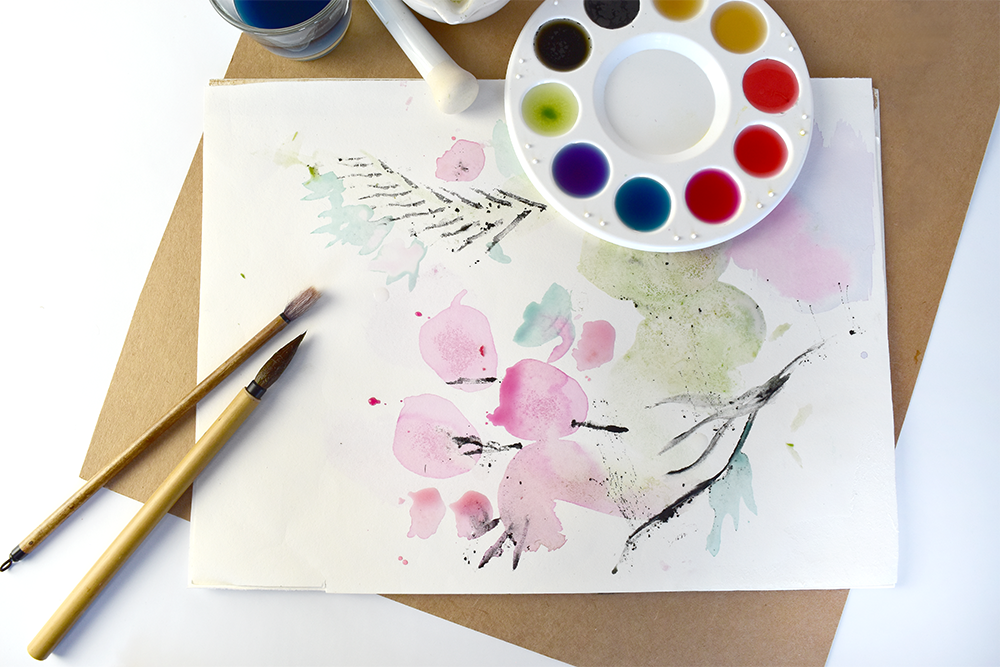
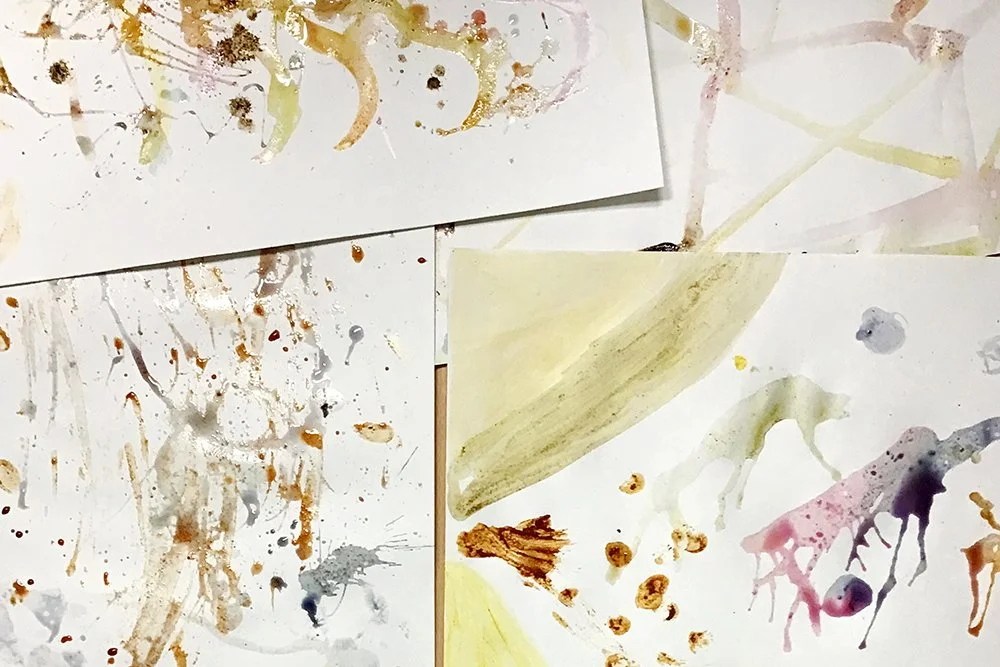
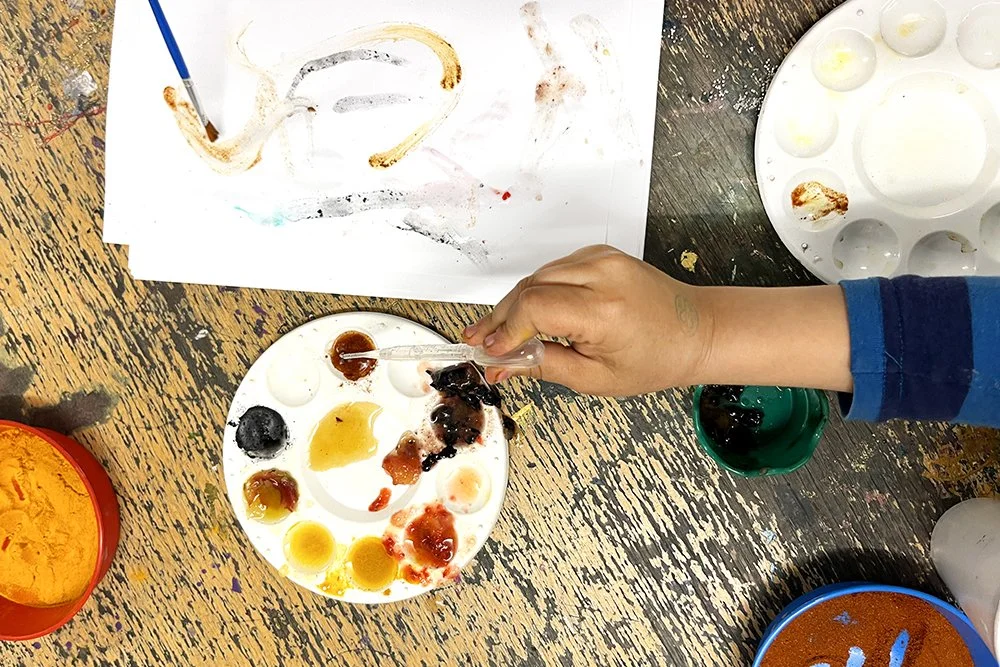
Learn how to make your own inks using kitchen scraps and use these to create artwork and explore colour.
This activity is a fun and engaging way to introduce sustainability into the classroom. Through the circular economy, we look at how we can take used materials that we have in the home and school, and empower children to apply their imagination to reinvent someone’s waste into another person’s treasure!
Skills and Competencies
Curriculum Links
Learning Questions
Learning Outcomes
How can materials from nature be transformed into ink?
What affects the colour, texture and quality of a natural ink?
How can we use natural inks to communicate an idea or tell a story?
Experiment with different materials and methods to investigate how they affect colour and mark-making
Describe and compare the properties of different natural inks
Explain how reusing discarded materials to make something new connects to ideas of sustainability and the circular economy
What is the Circular Economy?
The Circular Economy is a way of thinking and living that helps us create a sustainable and eco-friendly world. In this system, instead of throwing things away after we're done using them, we find clever ways to reuse, repair, and recycle them, giving them new life! This section introduces you to the Circular Economy, why it is important and additional activities you can do with your class before diving deep into the main workshop.
What are the Three R's?
The Three R's reduce, reuse and recycle are smart and efficient ways to have a more sustainable world.
Reduce: The first step is to reduce the amount of waste we create. We can do this by using less packaging, turning off lights when not needed, and saving water. Remember, small actions can make a big difference!
Reuse: Instead of throwing things away, we can give them a second chance. For example, if a toy or a book is still in good condition, we can donate it to someone who would love to use it. By reusing, we save resources and help others too!
Recycle: When we recycle, we transform old materials into new ones. Bottles can become new bottles, and paper can turn into new paper. It's like magic! We can place items in the right recycling bins to ensure they're sent to the right places.
How can we join the Circular Economy?
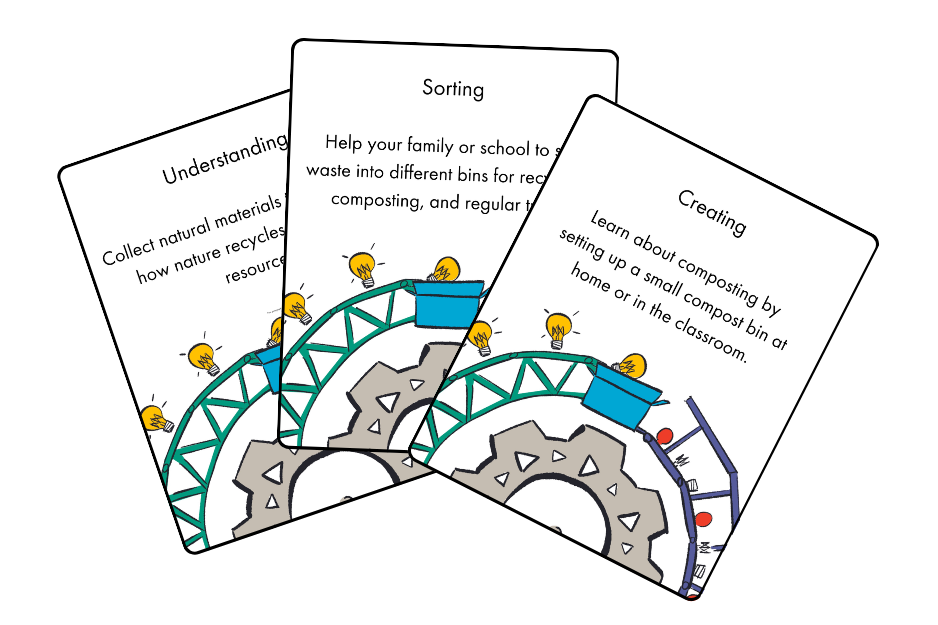
We can all be superheroes for the planet by adopting circular economy practices in our daily lives. Try out our circular economy prompt cards (available in resources) to explore various ideas for promoting the circular economy.
Why do we need the Circular Economy?
The circular economy is crucial because it allows us to care for the Earth and secure resources for the future. Shifting from a linear model, where items are used once and then discarded, to a circular model of reuse, recycling, and reduction helps us reduce pollution in our land, air, and water. It also enables us to preserve ecosystems and show kindness to others by redesigning, repairing, renewing, and recovering waste. This approach ensures that resources continue in a continuous life cycle, benefiting both the environment and society.
What can we learn about the life cycle of products?
Every product we use has a life cycle. From the moment it's created until it's no longer useful, we can make sure it's used to its fullest potential:
Design: Products should be designed with the Circular Economy in mind. They should be durable, easy to repair, and made from materials that can be recycled.
Production: When things are made, we should try to use fewer resources and energy. This helps protect our environment and keeps the planet healthy.
Use: It's important to take care of the things we have. By using items responsibly and not wasting them, we can make them last longer.
Recovery: When something is no longer usable, we should try to recover the materials from it so they can be used again. This is where recycling comes in!
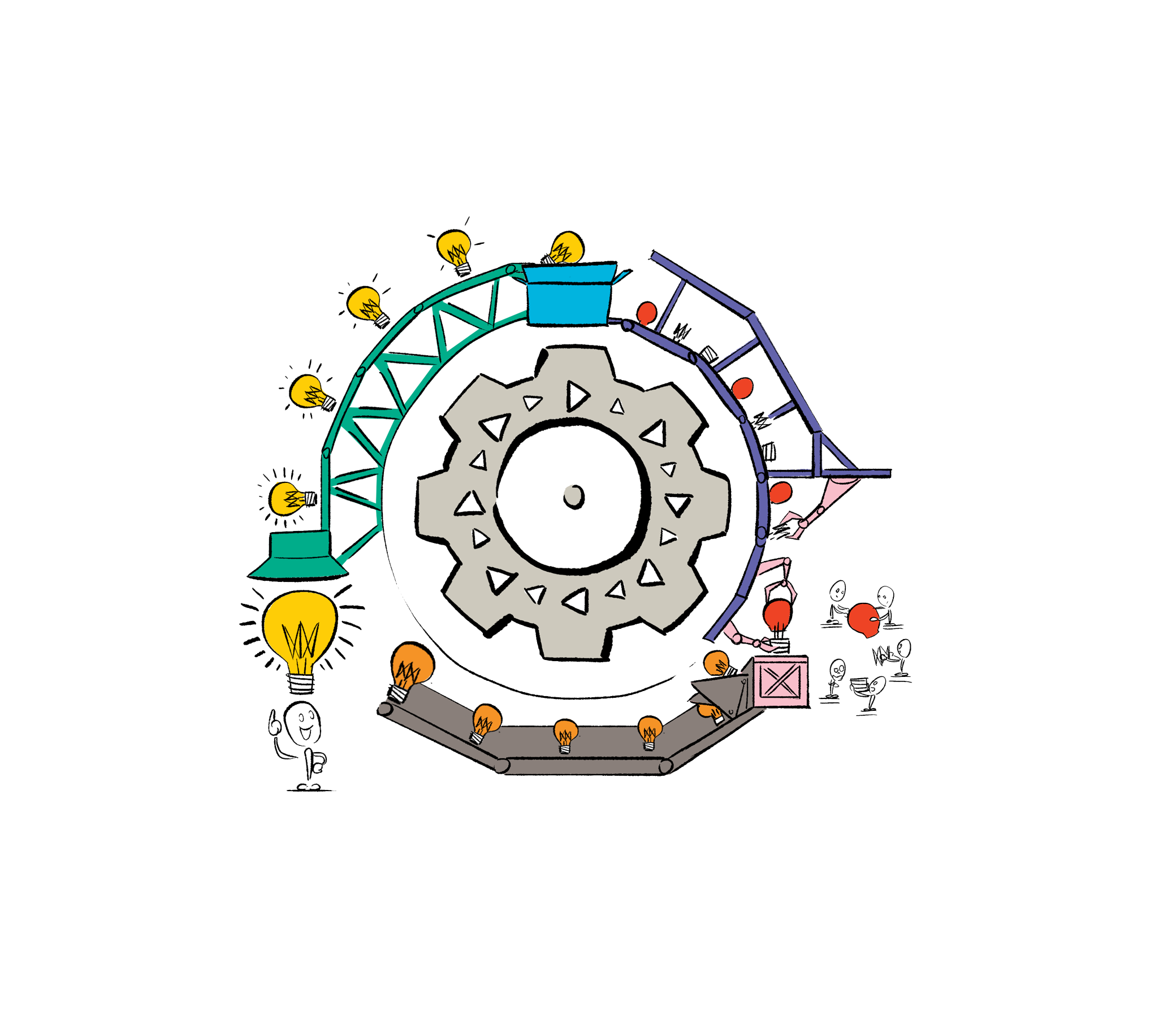
Explore the Circular Economy with your classroom
You can also start looking at some of the different types of waste to understand the life cycles:
Solid rubbish
Recyclable rubbish
Organic waste
Talk to your pupils about where these materials come from:
Where do they start life as a material?
How do they become a product?
What do we do with them when we’re finished using them?
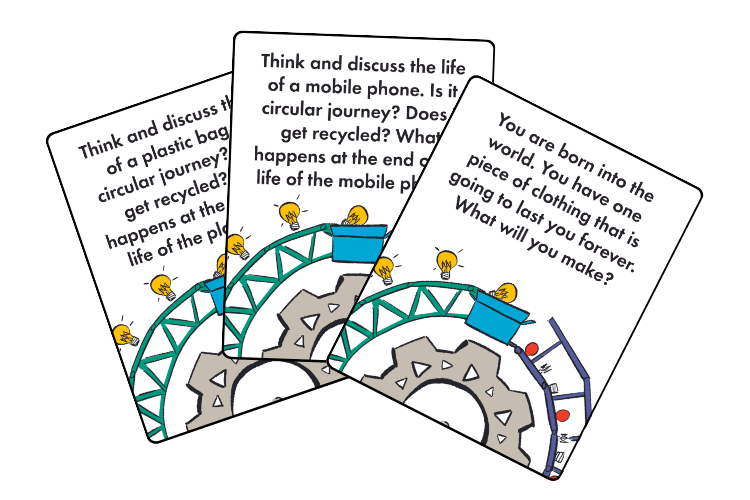
Using the Life Cycle Prompt Cards (available in resources) think about ideas on how you can reinvent, redesign, repair, renew or recycle.
Workshop Essentials
iOi Challenge
Create a piece of art, sharing ideas to help or change the world to Save Make Reinvent.
-
Fruit and vegetable scraps
Flowers/ and or plants
Water
Kettle
Used tea bags/ coffee grounds
Bowls
Pestle & mortar
Scissors
Pipettes
Paint palette
Sieve/ cloth or paper coffee filter
Get making!
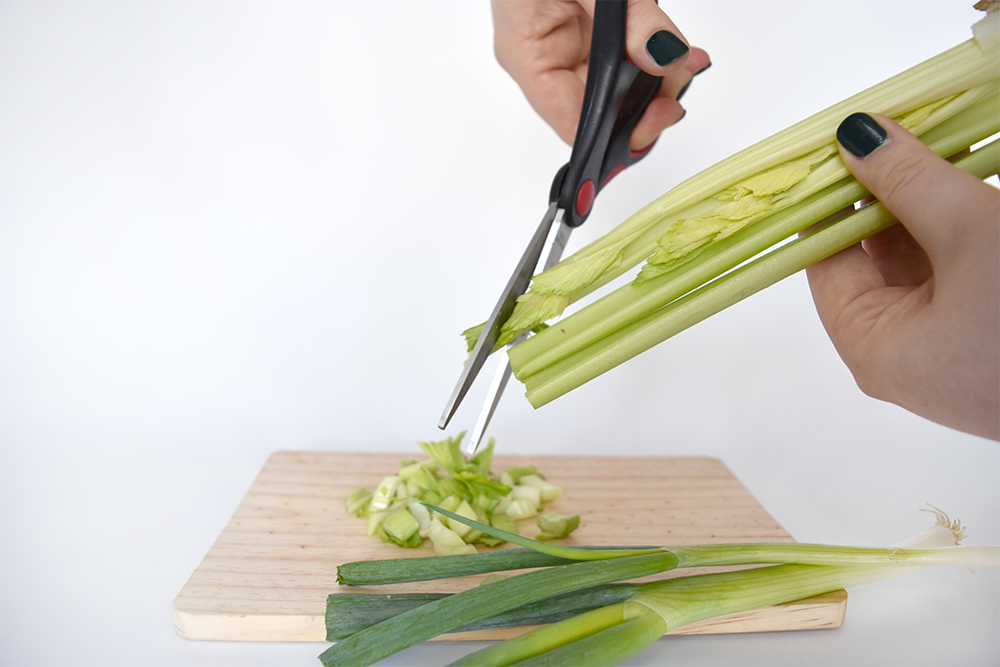
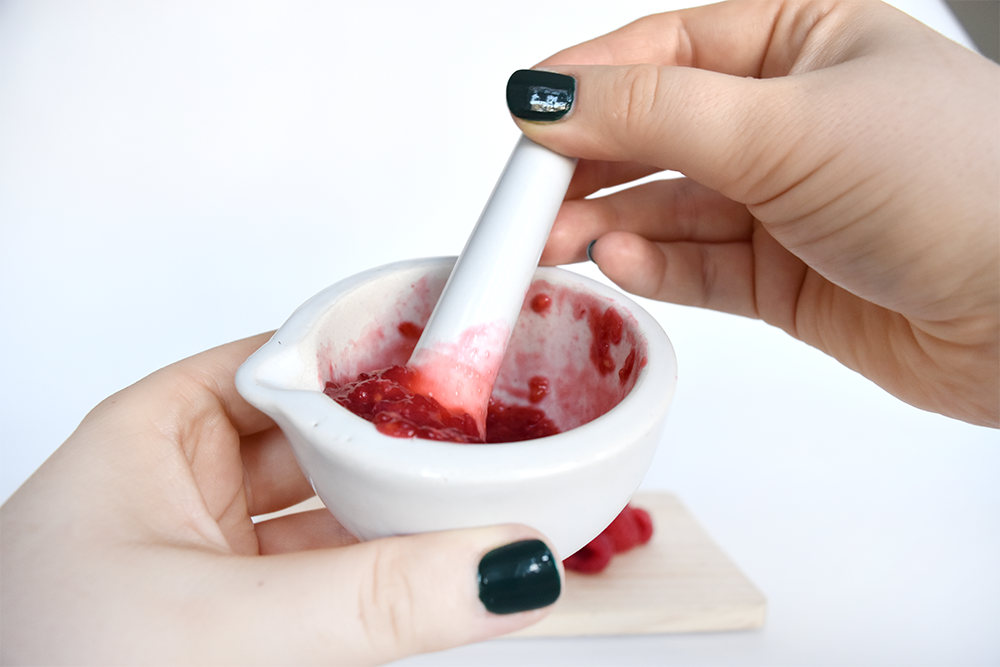
Chopping & mashing: soft vegetables, fruit, plant leaves and flower petals can all be chopped into small pieces to start releasing their colour. You can then mash or use pestle & mortar and add a little water to make up your colour mixture.
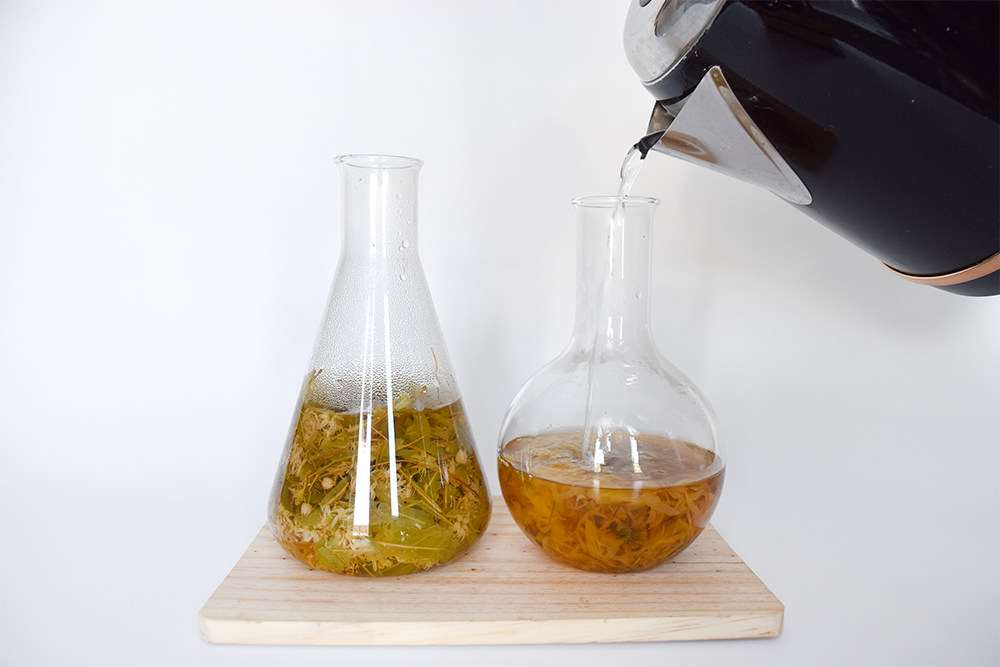
Boiling: Some natural materials can be boiled in water first to help bring out their colour. When you’ve chopped up your vegetable scraps or flower petals, give them a stir in boiling water then leave to cool down.
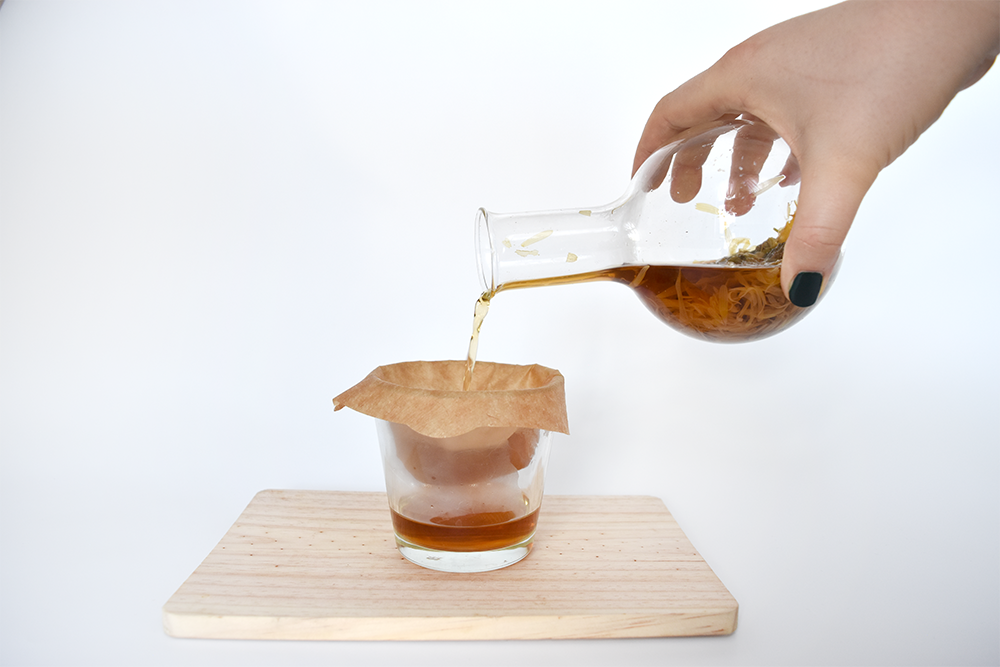
Straining: Once you made the mixture it can be lumpy. Strain the liquid into a different pot using a cloth, paper coffee filter or sieve. Use the pipettes to transfer the ink to the paint palette.
Painting
-
Paintbrushes
Pencils
Thick paper/ card that is absorbent
iOi Colour Palette Resource
Cup of water to clean the brushes
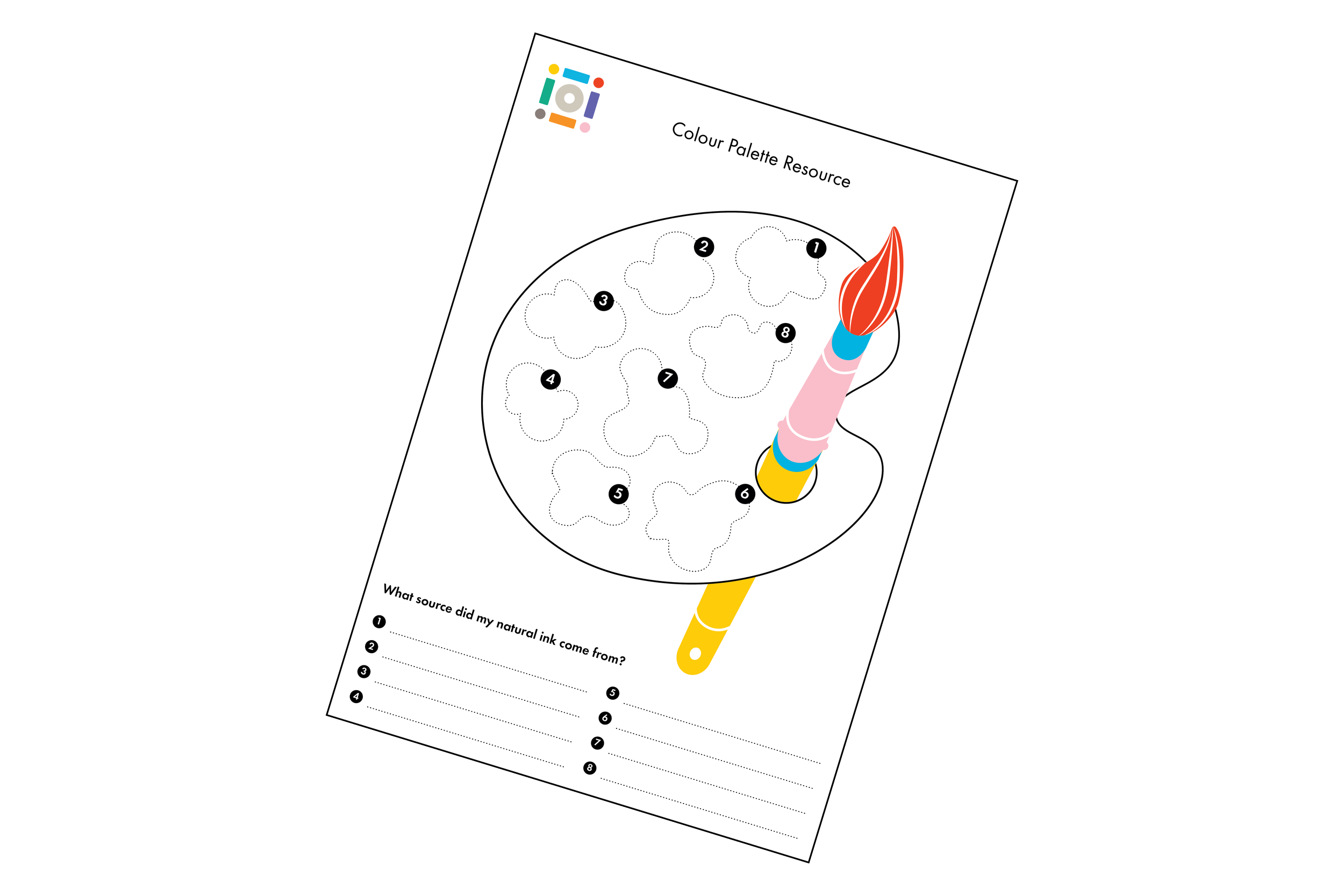
Using the iOi Colour Palette Resource create a swatch of your inks and record what source they were made from. Then start making marks on the paper. Why not paint a picture to tell a story of your vegetable, plant or a rock and how it changes into something different? Or use your inks to create a picture of something you love in nature.
Tip: We recommend using watercolour paper or thick card so that water and ink don’t seep through and destroy your artwork!
Experiment: Try out different tools to make a mark on the paper. Test spongers, other vegetables or make your own tools!
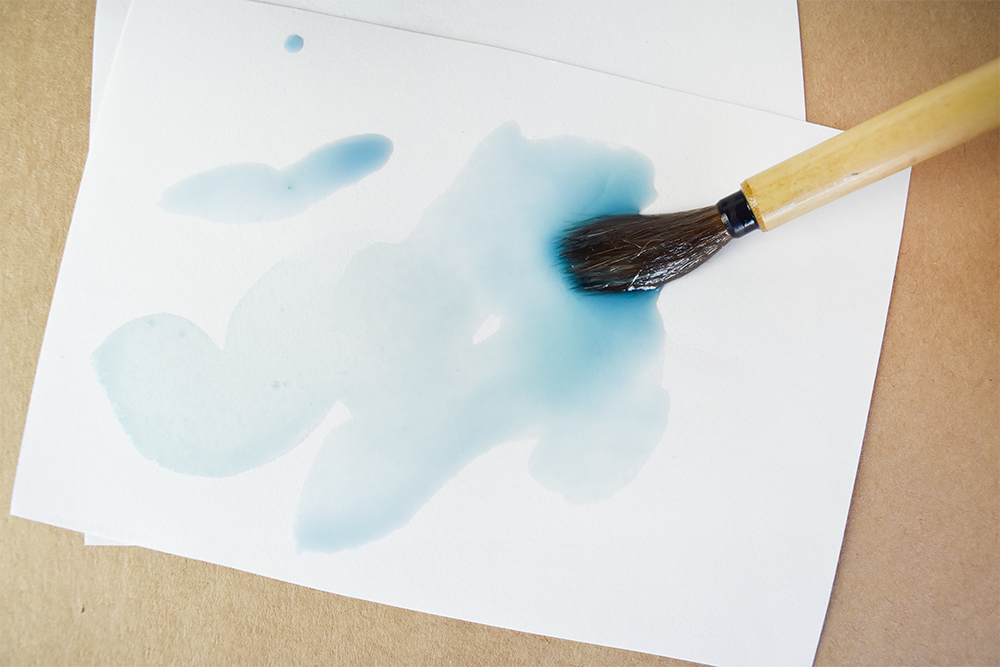
Use a paintbrush
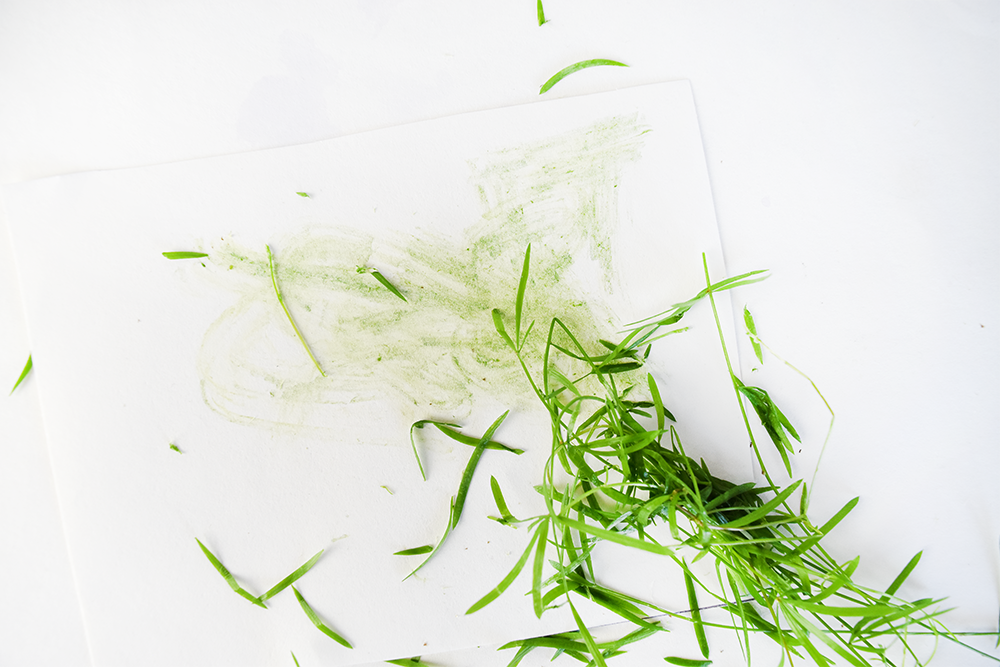
Rubbing
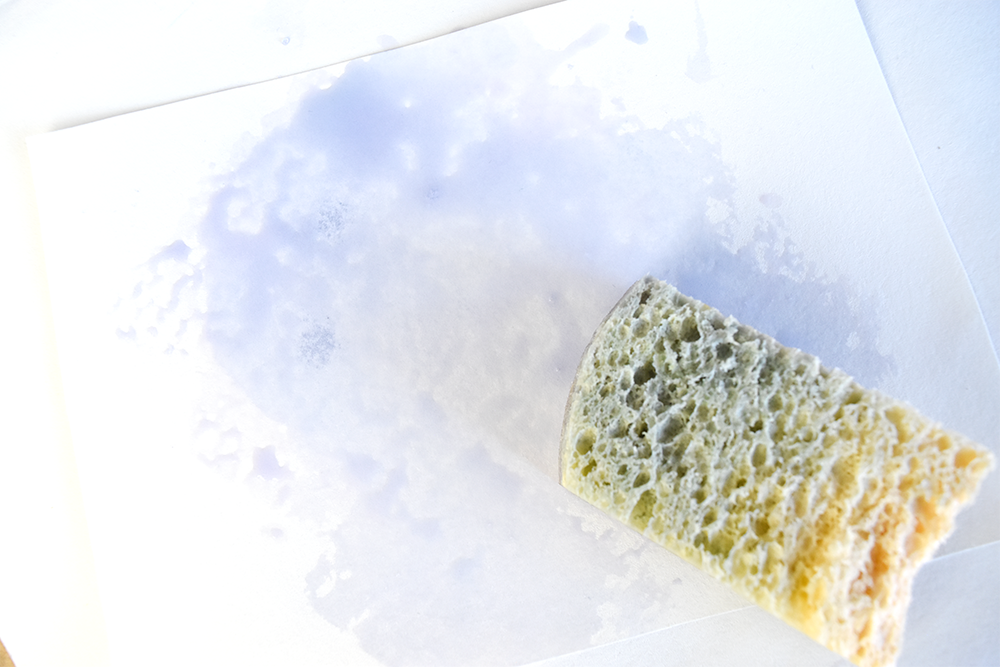
Try a sponge
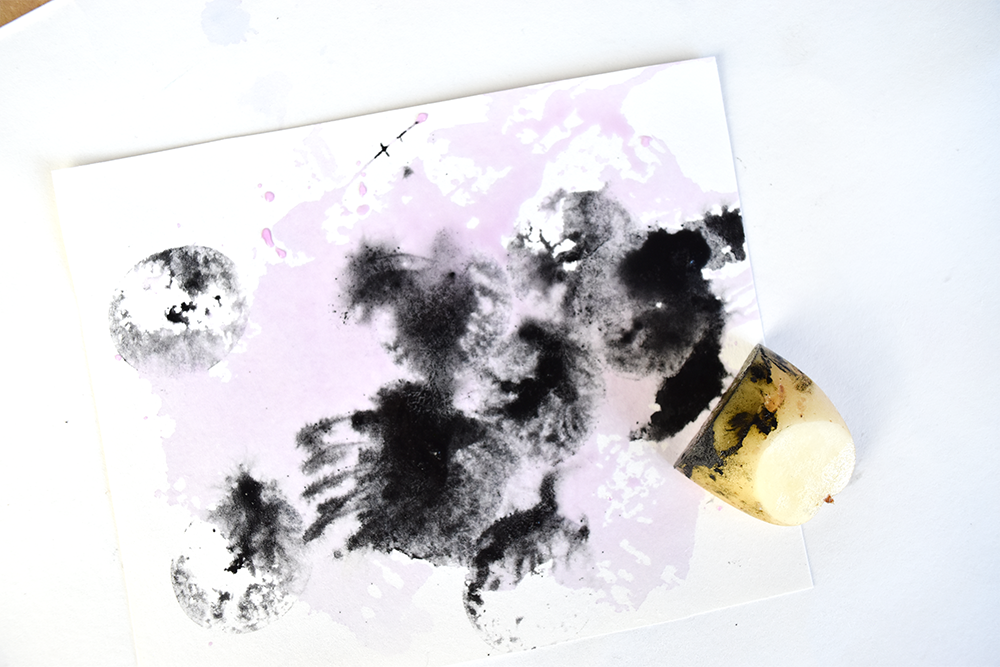
Use vegetable as a stamp
Changing colours
-
Vinegar
Lemon juice
Bicarbonate of Soda
Corn flour
Change the colour of your ink by adding different mixtures.
Experiment: Add in acids such as vinegar or lemon juice or try using alkaline like Bicarbonate of Soda
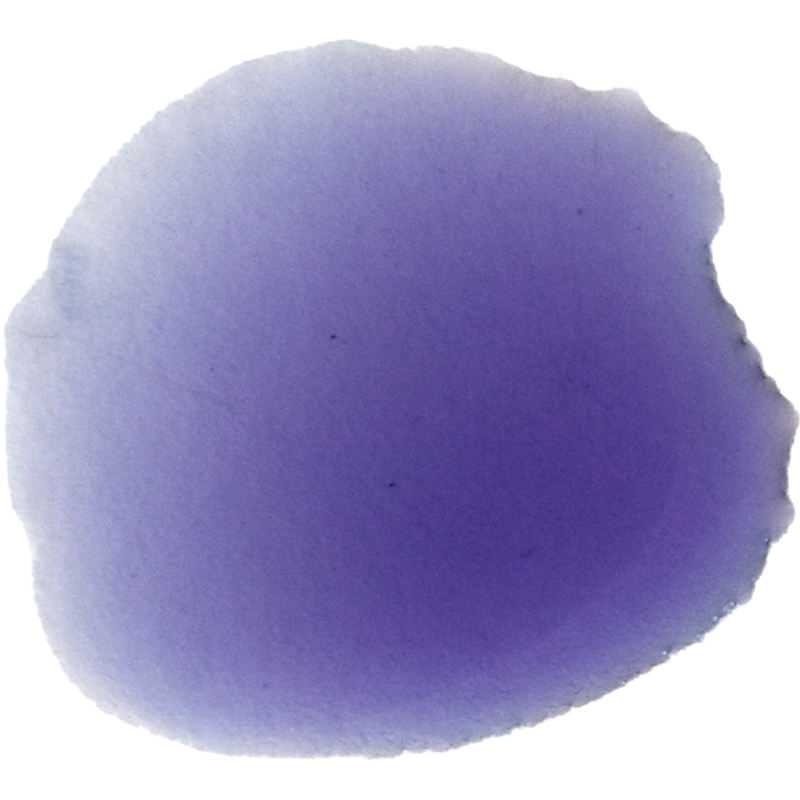
Cabagge purple
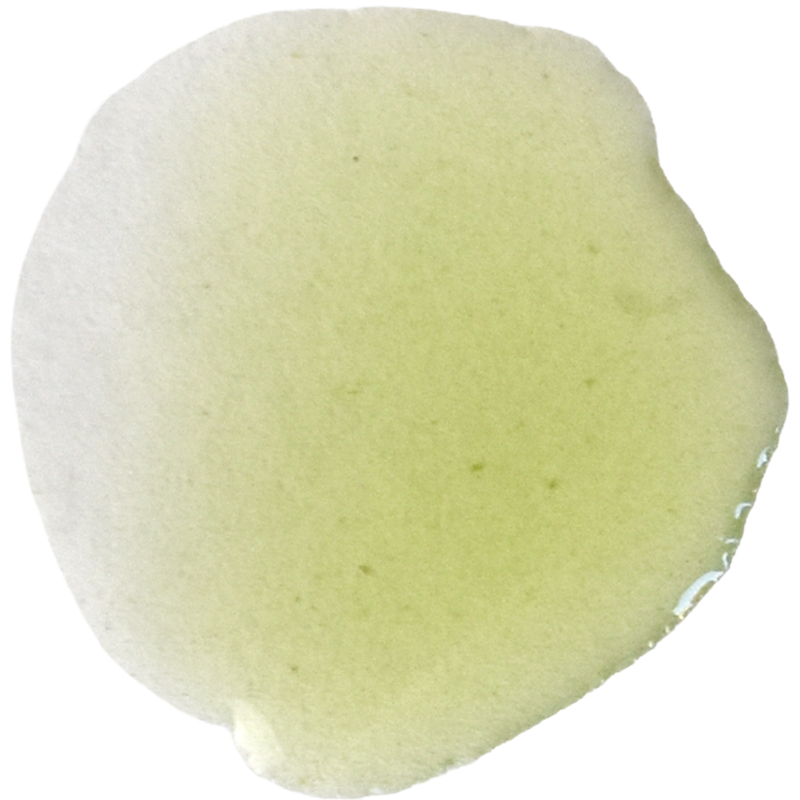
Fresh grass green
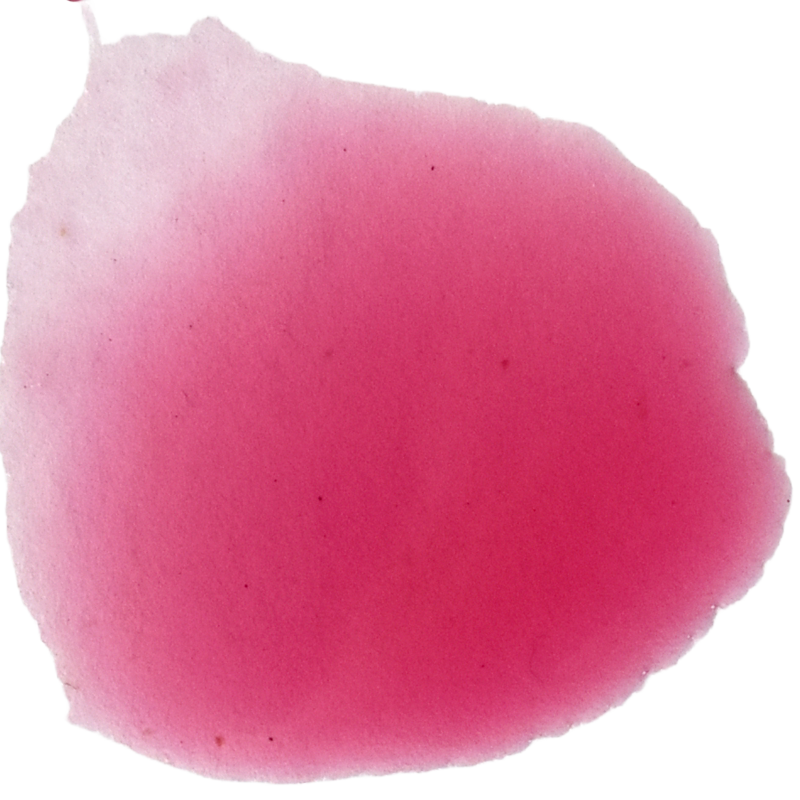
Beetroot pink
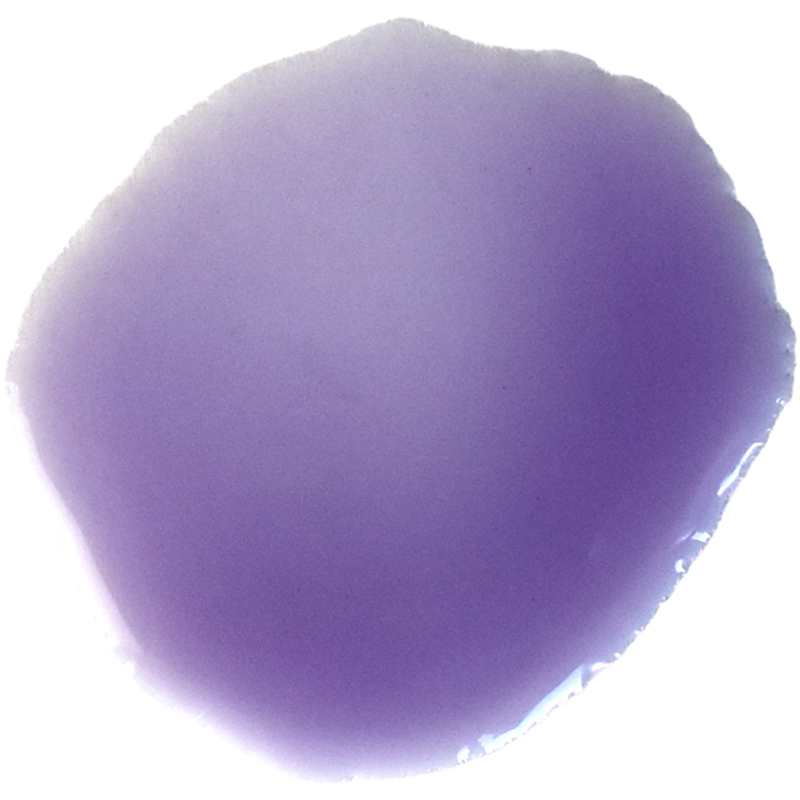
corn flour
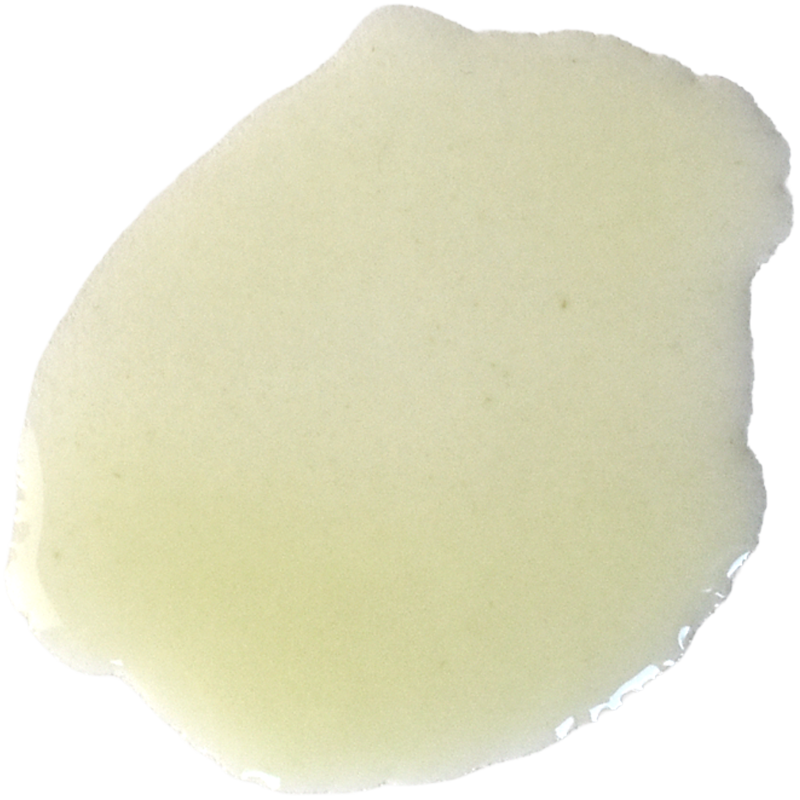
corn flour
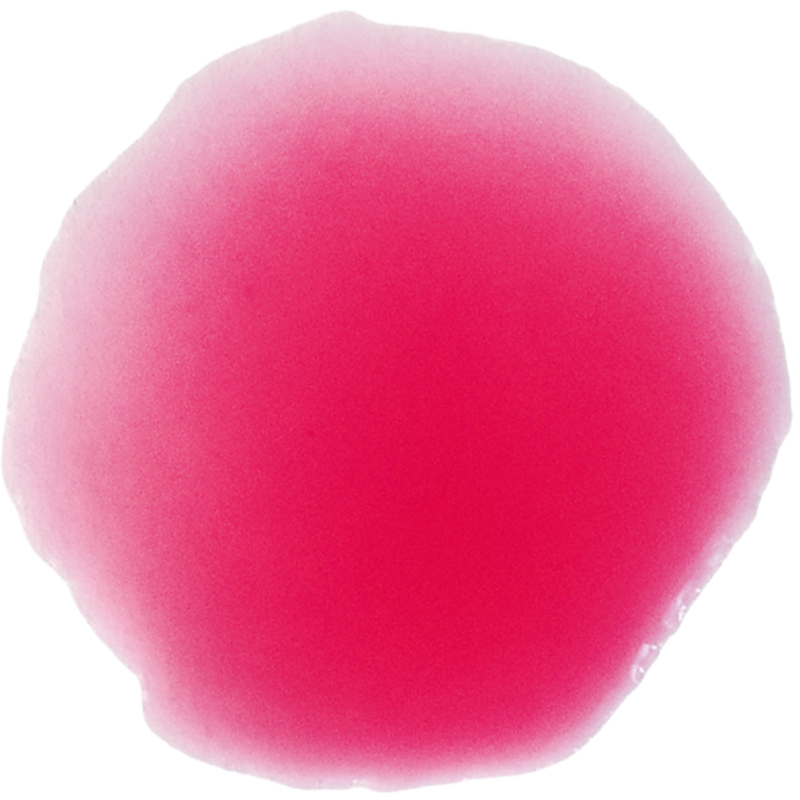
corn flour
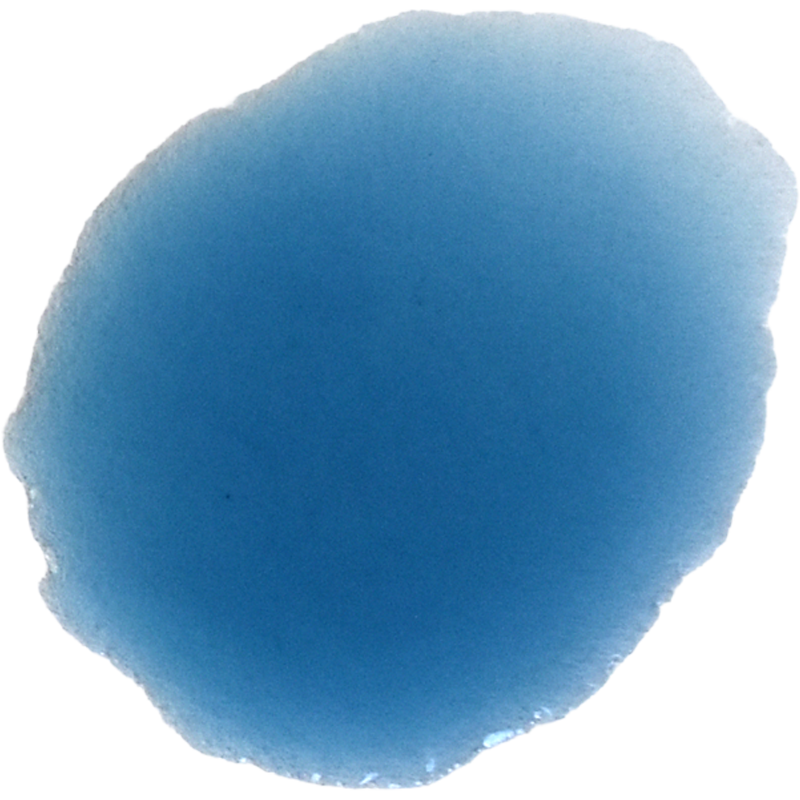
with Bicarbonate of Soda
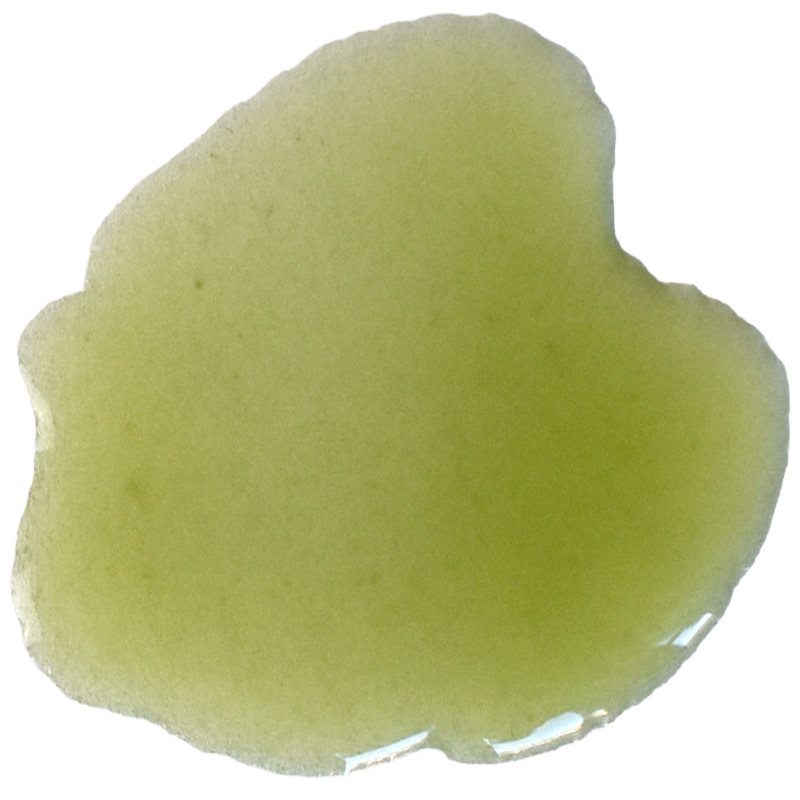
lemon juice
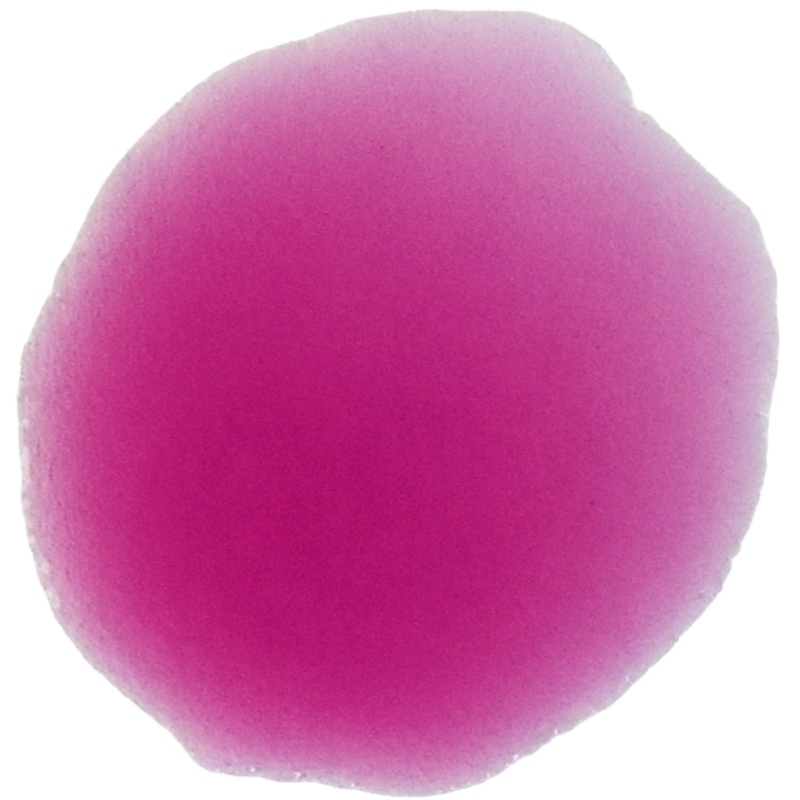
with Bicarbonate of Soda
Tip: To make your inks last a bit longer, add in some honey. Because our ingredients are natural, this means they can also decompose (break down).
Have a look for other natural materials such as chalk or charcoal. These can be ground down into dust using a hard stone and a hard surface or used as pencils to make marks
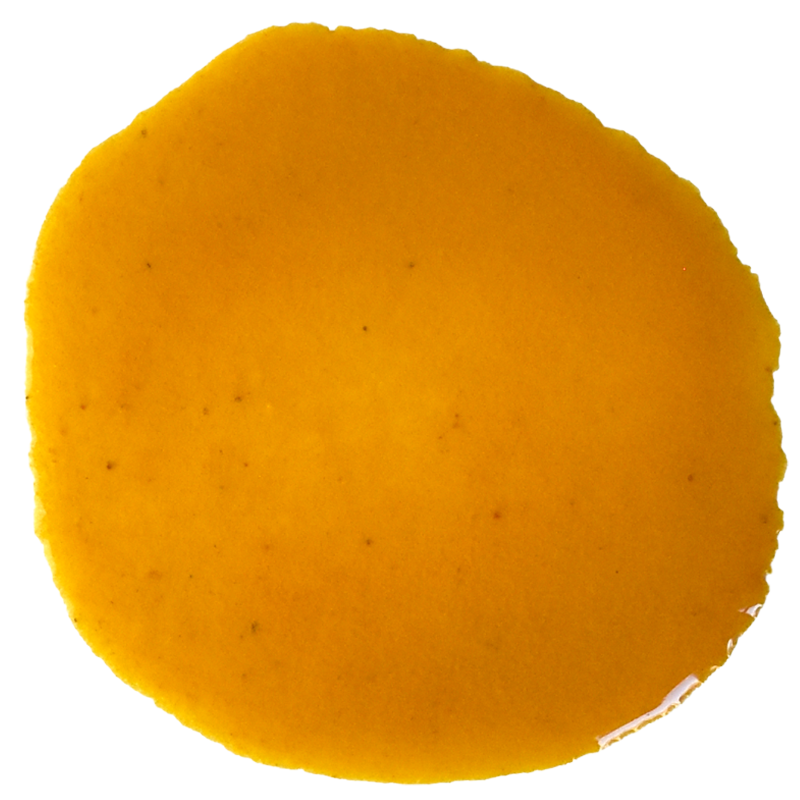
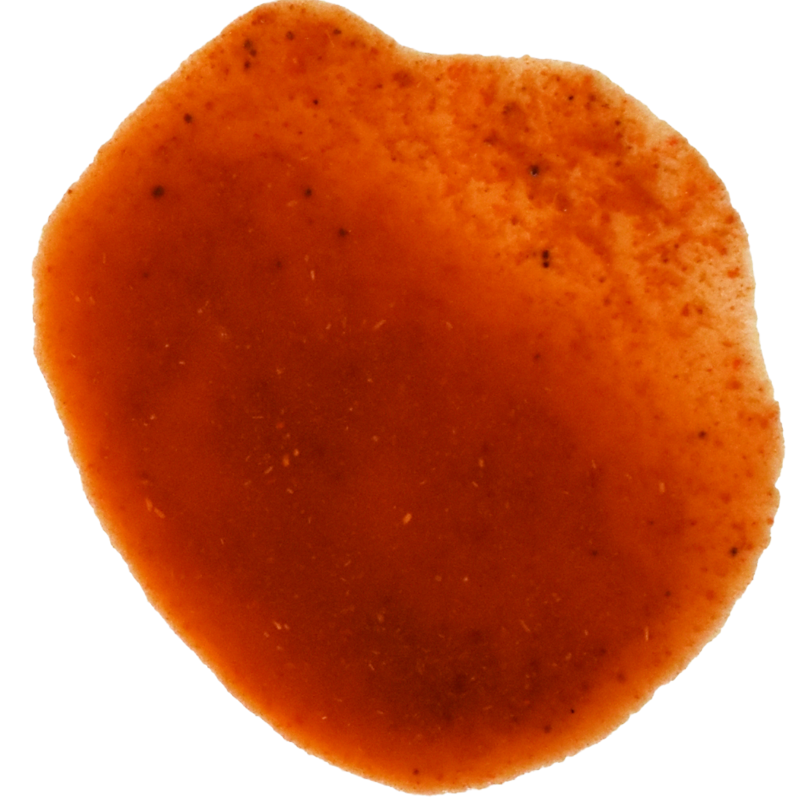
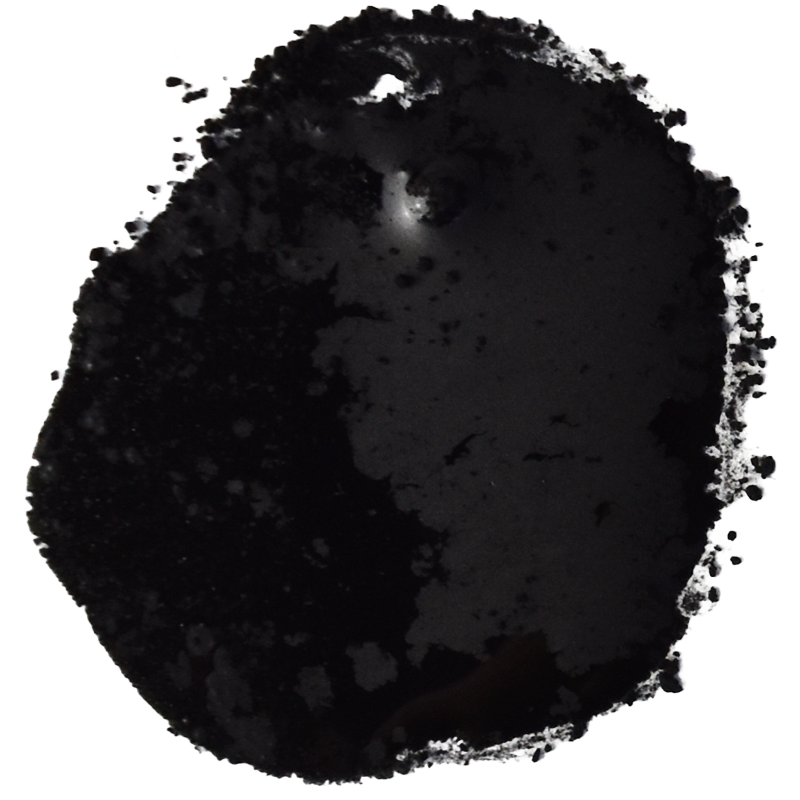
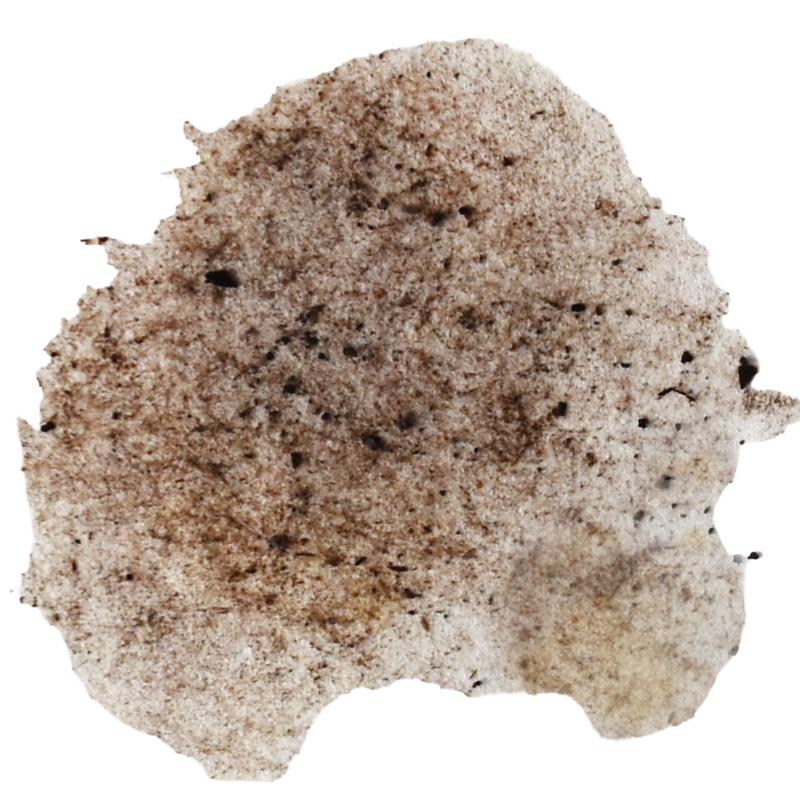
Peek in your kitchen cupboard too - you might find there are already some ground up spices you can experiment with. Add a little water to the powder and stir to create a mixture.
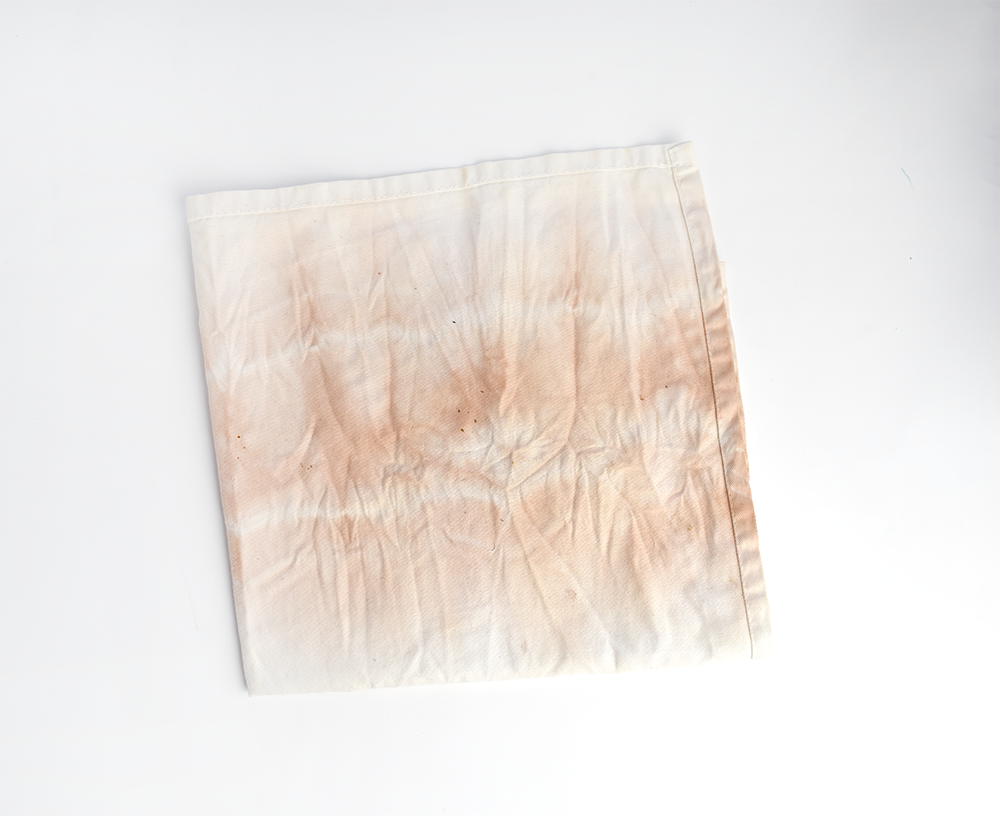
You could also experiment by dying with your inks, like reviving an old T-shirt!