

Junk Bots
Learn about the circular economy and how it can help us create a sustainable and eco-friendly world.
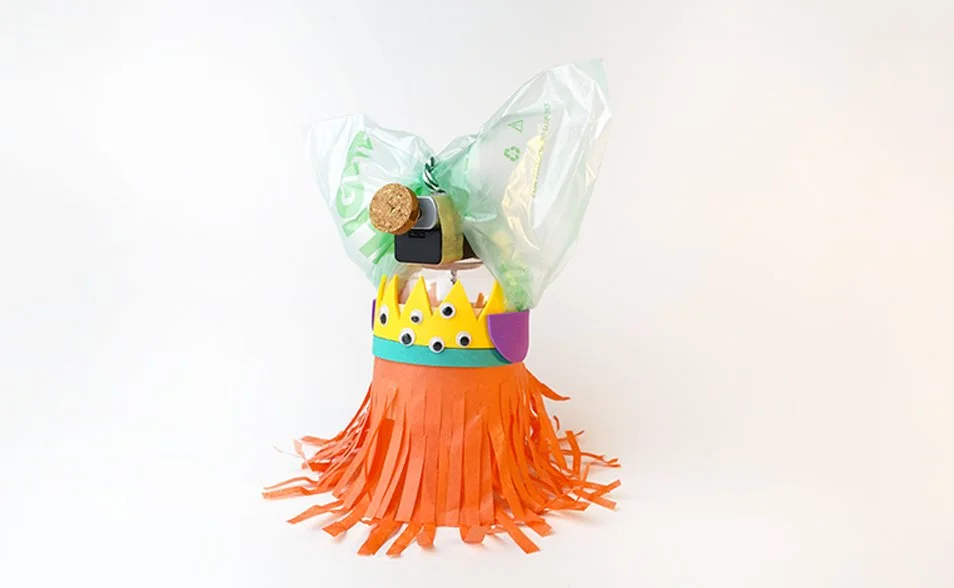
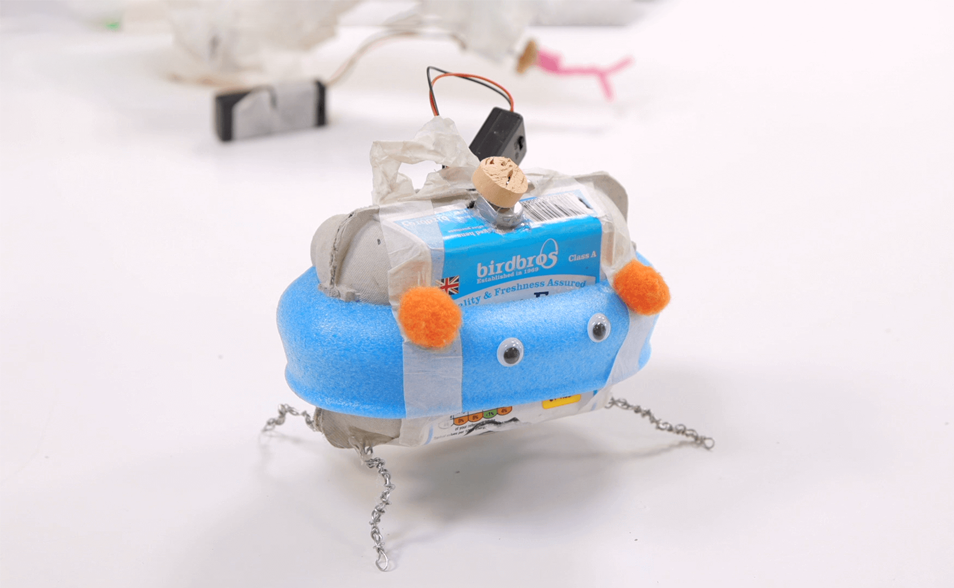
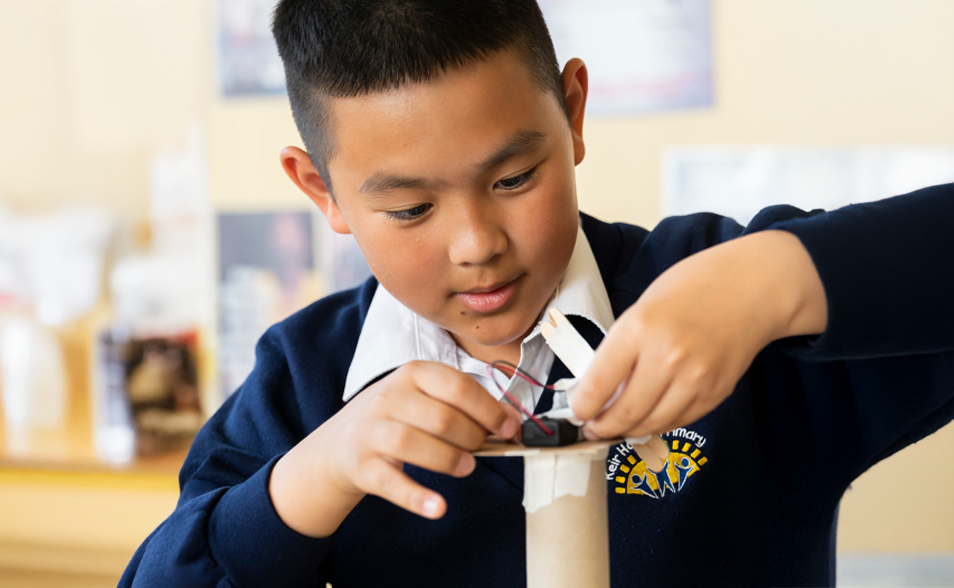
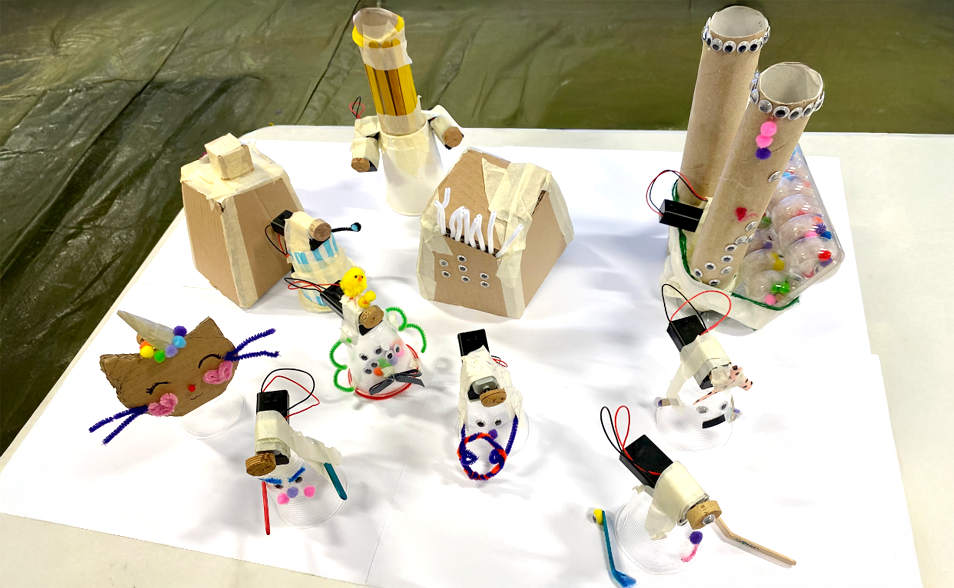
Thinking critically about materials and their uses, your class will tinker and build Junk Bots from recycled materials, exploring creativity, sustainability, and simple electronics.
Skills and Competencies
Learning Outcomes
Curriculum Links
Vital lifelong skills: inventing, engineering, problem-solving, creative design thinking and making prototypes.
An activity that radically enhances children’s development increases resilience and adaptability, improves self-awareness of sustainability and concern for their environment, and increases aspiration and capacity for innovation and entrepreneurship.
Create and learn about simple electrical circuits with a motor, battery packs and batteries.
Explore the science of balance, weight and movement through the use of motors.
Generate, develop and design prototype ideas to communicate ideas about the circular economy.
What is the Circular Economy?
The Circular Economy is a way of thinking and living that helps us create a sustainable and eco-friendly world. In this system, instead of throwing things away after we're done using them, we find clever ways to reuse, repair, and recycle them, giving them new life! This section introduces you to the Circular Economy, why it is important and additional activities you can do with your class before diving deep into the main workshop.
What are the Three R's?
The Three R's reduce, reuse and recycle are smart and efficient ways to have a more sustainable world.
Reduce: The first step is to reduce the amount of waste we create. We can do this by using less packaging, turning off lights when not needed, and saving water. Remember, small actions can make a big difference!
Reuse: Instead of throwing things away, we can give them a second chance. For example, if a toy or a book is still in good condition, we can donate it to someone who would love to use it. By reusing, we save resources and help others too!
Recycle: When we recycle, we transform old materials into new ones. Bottles can become new bottles, and paper can turn into new paper. It's like magic! We can place items in the right recycling bins to ensure they're sent to the right places.
How can we join the Circular Economy?
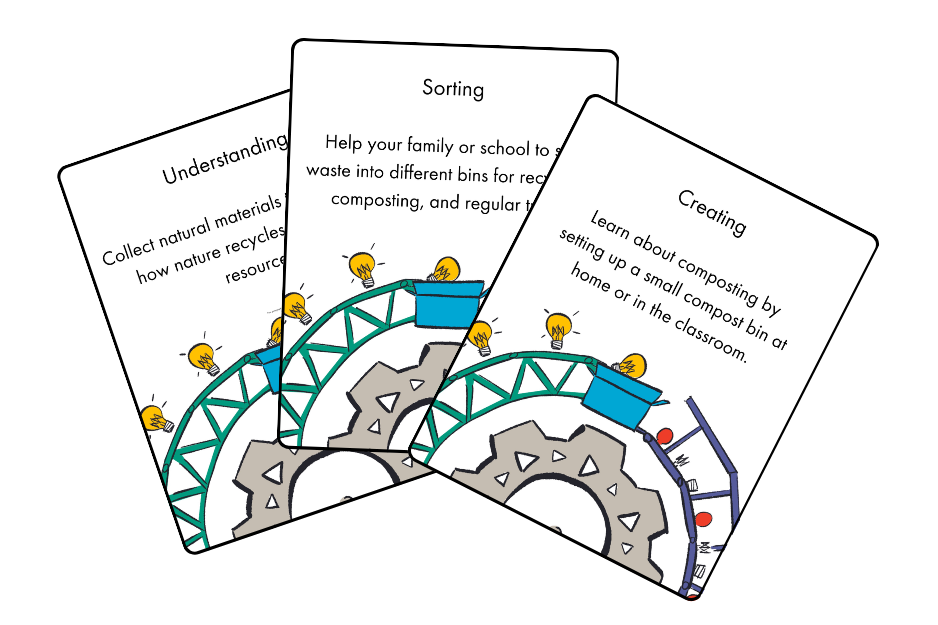
We can all be superheroes for the planet by adopting circular economy practices in our daily lives. Try out our circular economy prompt cards (available in resources) to explore various ideas for promoting the circular economy.
Why do we need the Circular Economy?
The circular economy is crucial because it allows us to care for the Earth and secure resources for the future. Shifting from a linear model, where items are used once and then discarded, to a circular model of reuse, recycling, and reduction helps us reduce pollution in our land, air, and water. It also enables us to preserve ecosystems and show kindness to others by redesigning, repairing, renewing, and recovering waste. This approach ensures that resources continue in a continuous life cycle, benefiting both the environment and society.
What can we learn about the life cycle of products?
Every product we use has a life cycle. From the moment it's created until it's no longer useful, we can make sure it's used to its fullest potential:
Design: Products should be designed with the Circular Economy in mind. They should be durable, easy to repair, and made from materials that can be recycled.
Production: When things are made, we should try to use fewer resources and energy. This helps protect our environment and keeps the planet healthy.
Use: It's important to take care of the things we have. By using items responsibly and not wasting them, we can make them last longer.
Recovery: When something is no longer usable, we should try to recover the materials from it so they can be used again. This is where recycling comes in!
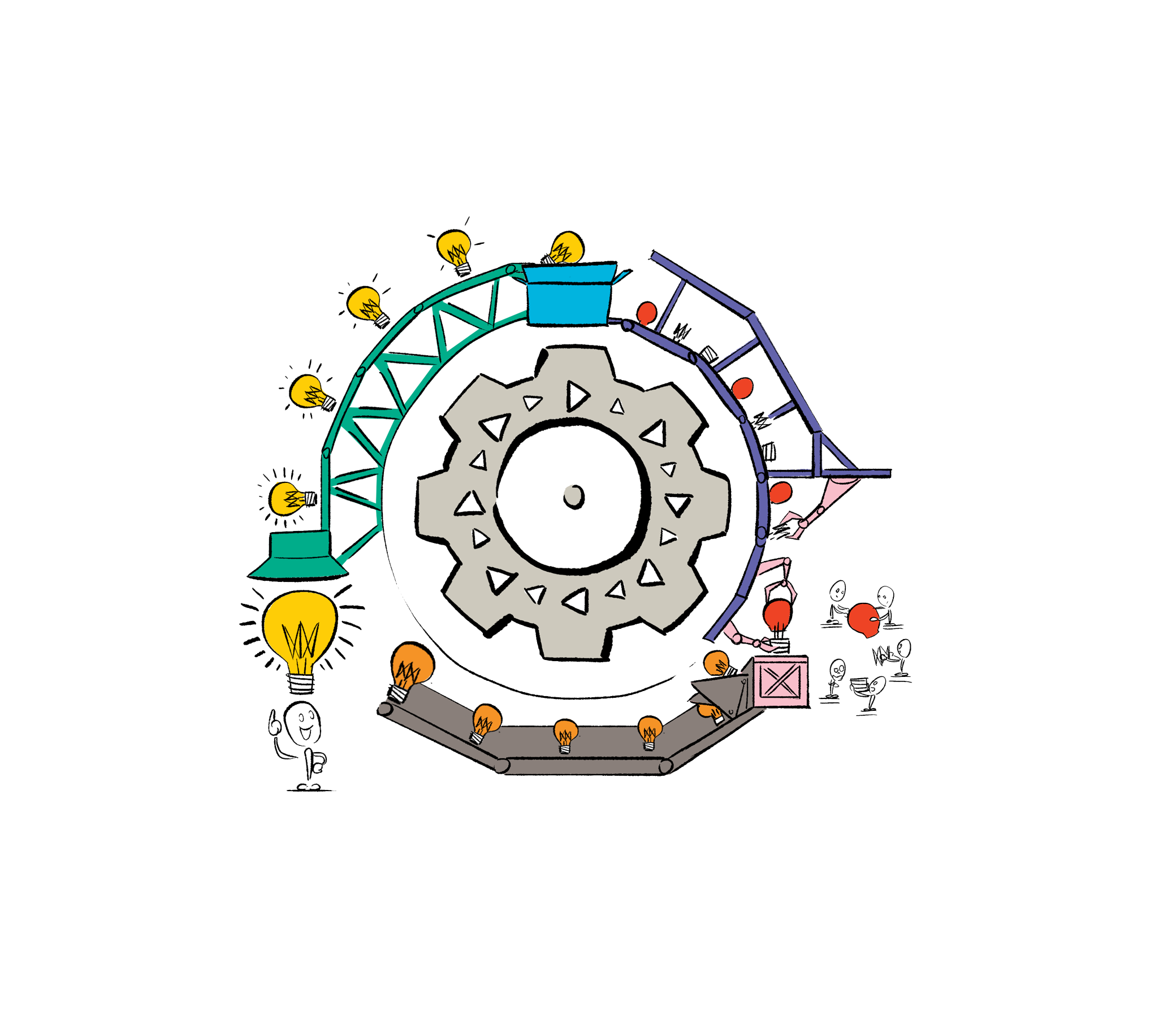
Explore the Circular Economy with your classroom
You can also start looking at some of the different types of waste to understand the life cycles:
Solid rubbish
Recyclable rubbish
Organic waste
Talk to your pupils about where these materials come from:
Where do they start life as a material?
How do they become a product?
What do we do with them when we’re finished using them?
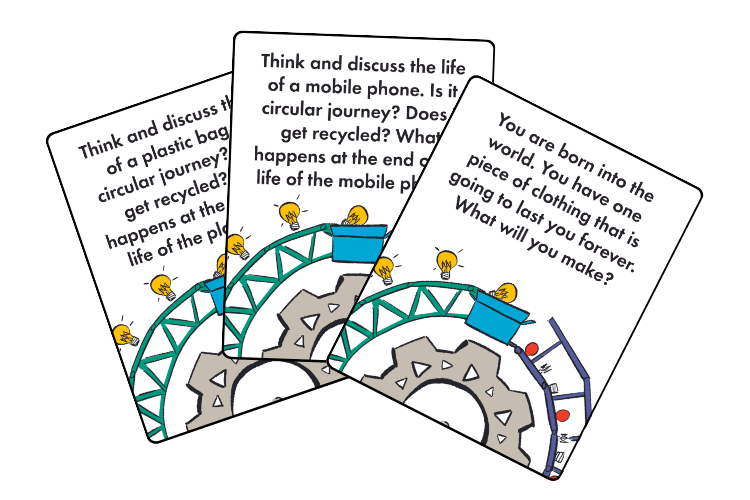
Using the Life Cycle Prompt Cards (available in resources) think about ideas on how you can reinvent, redesign, repair, renew or recycle.
Workshop Essentials
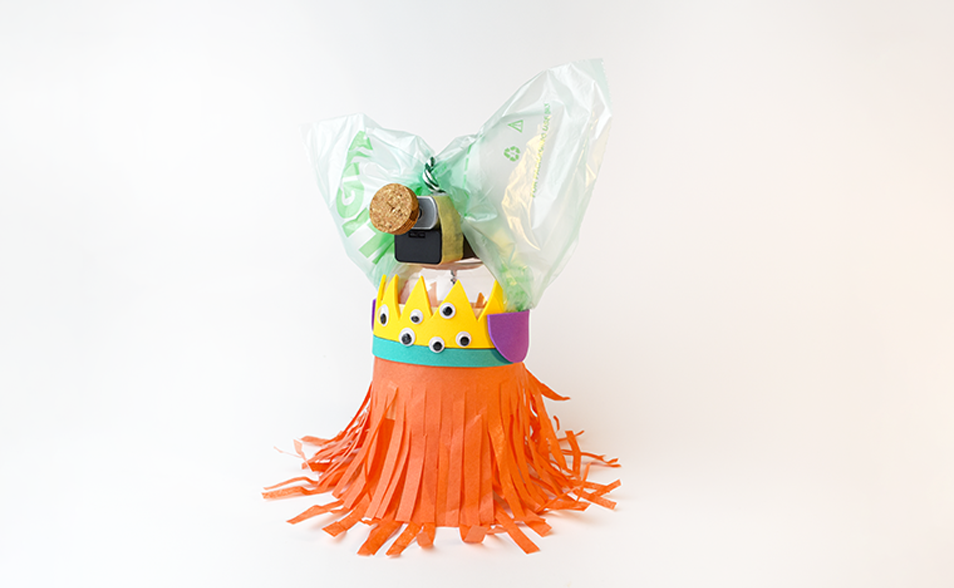
iOi Challenge
We challenge you to draw, design and invent a Junk Bot that you think would help the world to Save Make Reinvent.
-
DC hobby motors
AAA battery packs
AAA batteries
Pieces of cork
Tape
Scissors
Pens and pencils
Blu Tack (optional)
Craft materials (feathers, pom poms, string, beads)
Small junk materials (bottles, egg boxes, toilet rolls)
Get making!
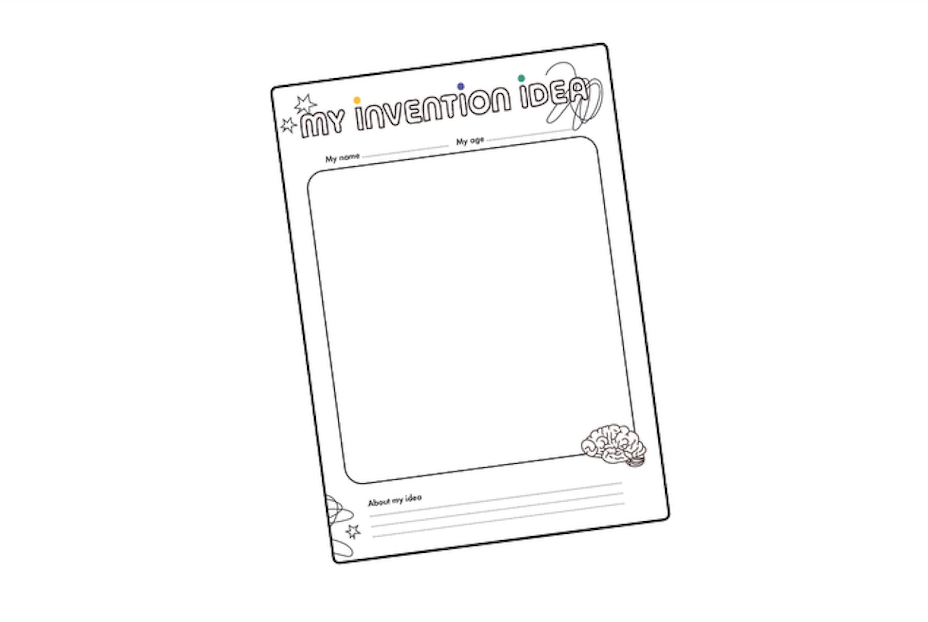
Use the 'My Invention Idea' resource (available in resources) start brainstorming ideas of design:
What is the name of your Junkbot?
What will it do to Save Make Reinvent?
How will it help the planet?
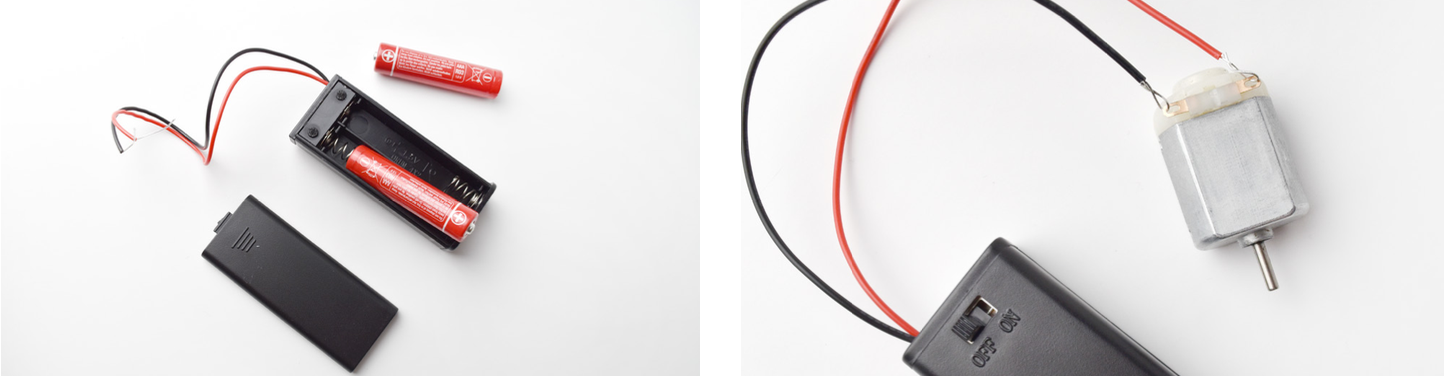
1. Grab the battery pack and insert the 2 AAA batteries
2. Connect the wires to the motor. Thread the cables through each loop and twist them
Test your motor. Turn on the switch and see if your motor makes a sound and starts spinning. If not, check your batteries have been inserted correctly and your cable connections.
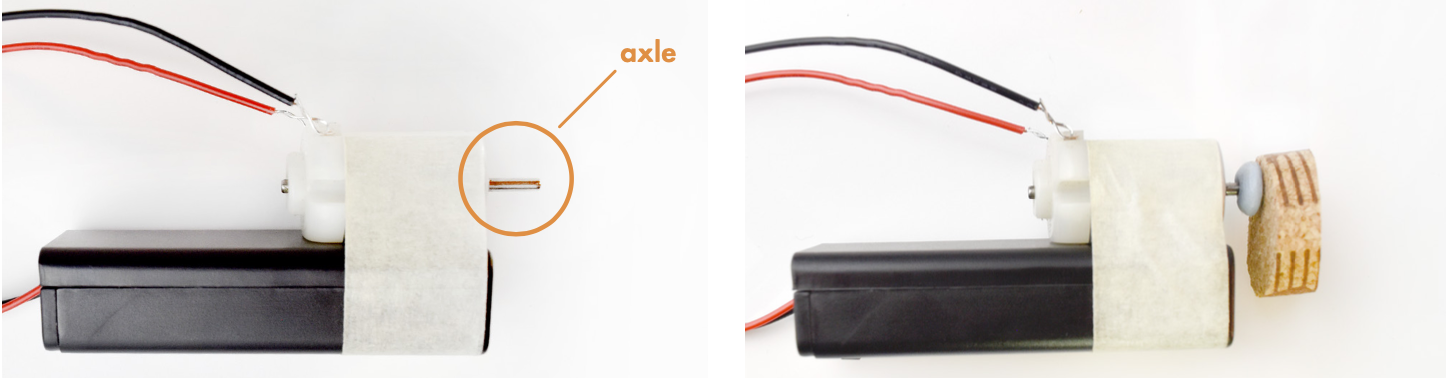
4. Place the motor at the top of the battery pack, right on the edge and secure it in place with tape. Make sure not to cover the axle
5. Push the axle in the cork. Use a bit of Blu Tack to hold it in place. Make sure it’s off - centre, not in the middle. This way will ensure your Junk Bot moves around
6. Using your junk build the base of your Junk Bot. Then add the motor and use tape to hold it in place. Make sure the battery pack and the motor are attached securely
7. Decorate and test it! You can always try something different and see what happens. Add more legs, adjust your motor or change your materials
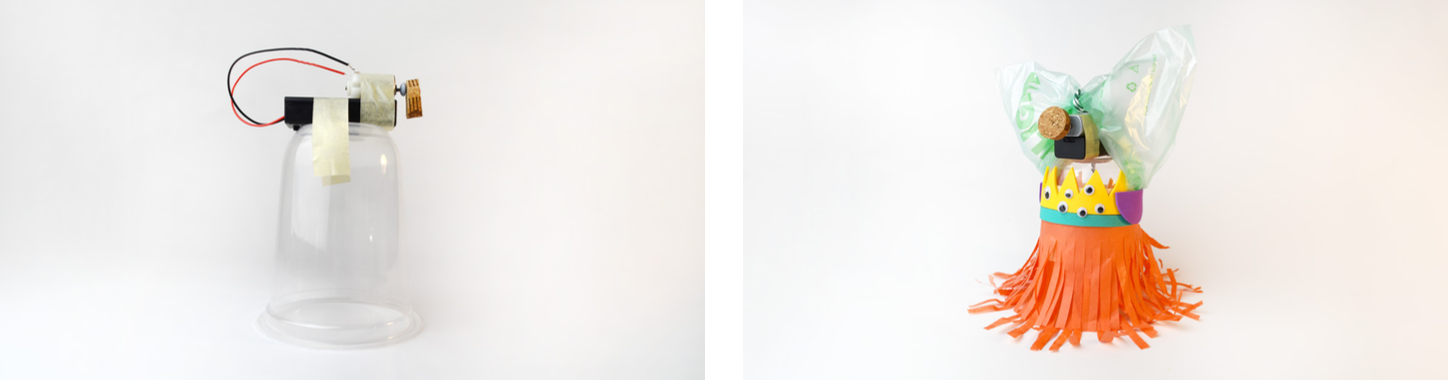
Enjoy creating your Circular Economy Junkbot! Why not share this activity with others?