

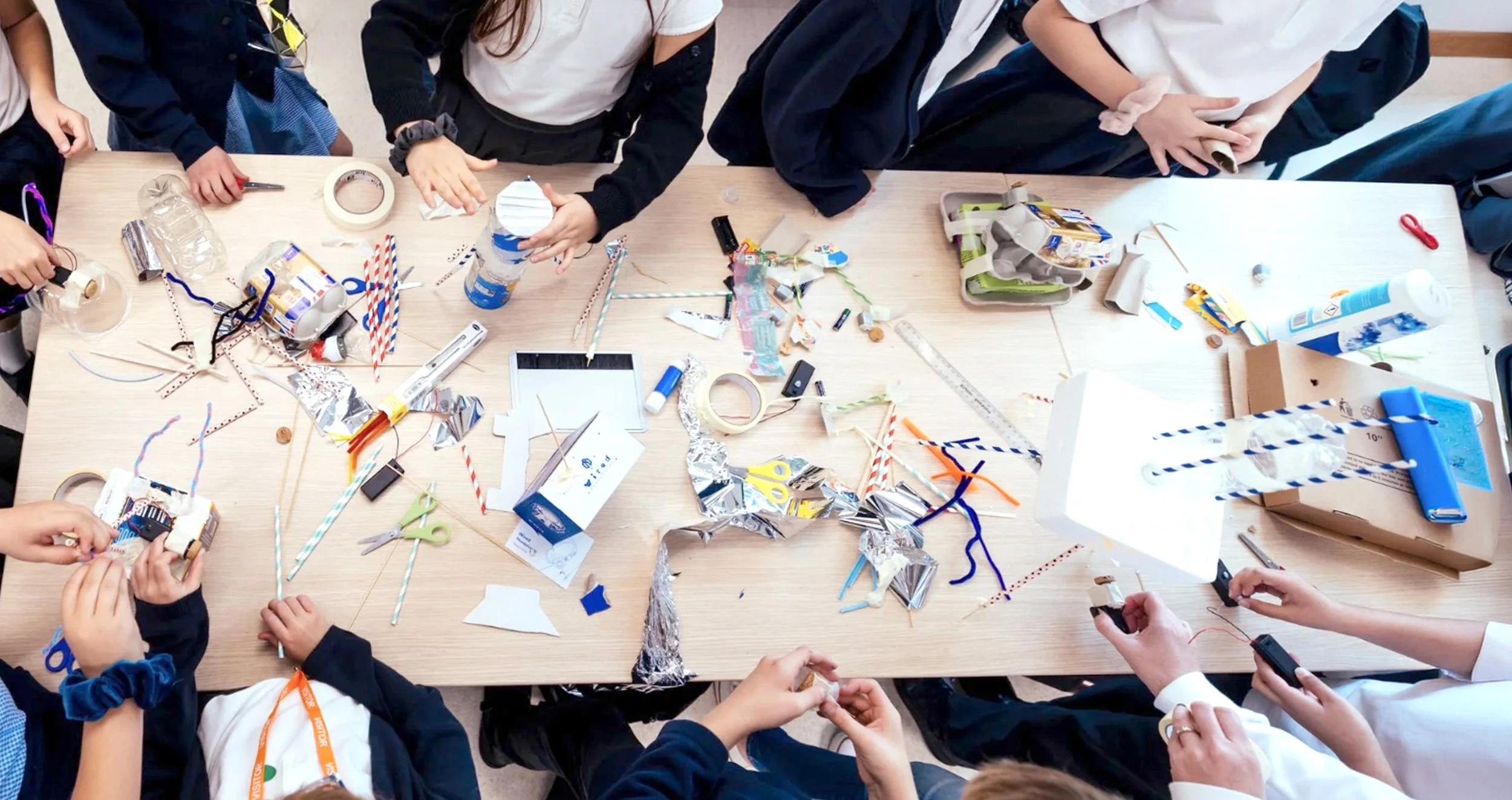
iOi in Your Classroom
Hands-on STEAM activities that help every child imagine, experiment and create
Designed for all teachers, not just STEAM specialists
We offer a wide range of learning experiences, from quick classroom activities to deeper creative projects. They are built to be flexible, accessible and easy to facilitate. You do not need technical expertise, specialist training or expensive resources to get started.
Why imagination matters
In a rapidly changing world, children need more than knowledge alone. They need the confidence to explore ideas, adapt, solve problems creatively and think differently.
At the Institute of Imagination (iOi), we help children develop these skills through hands-on STEAM learning that combines science, technology, engineering and maths with creativity, design and play.
Our activities focus on two key outcomes:
Building creativity through inspiring learning across arts, sciences and digital technologies
Sparking aspiration by helping children explore future skills, ideas and possibilities
What Teachers Say

"One of my students used to throw his work in the bin or punch a wall — but without a fixed goal to fail against, he was able to engage fully."
“I was nervous about doing the activities myself, but now I’ve learned how and developed skills, I can use it with my class.”
“Giving my students the independence and freedom to experiment has made them more engaged - even if the outcome wasn’t perfect, the learning was”
Try these activities with your classroom
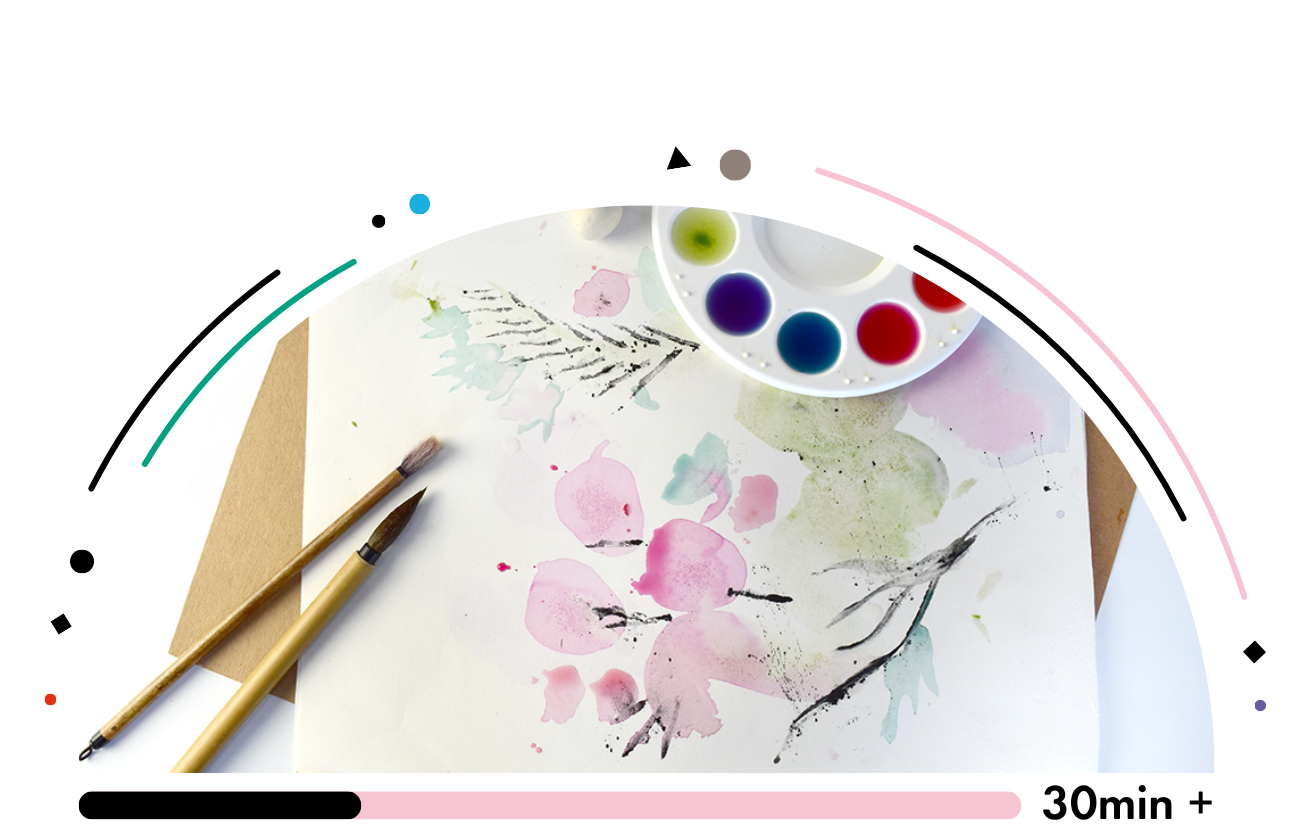
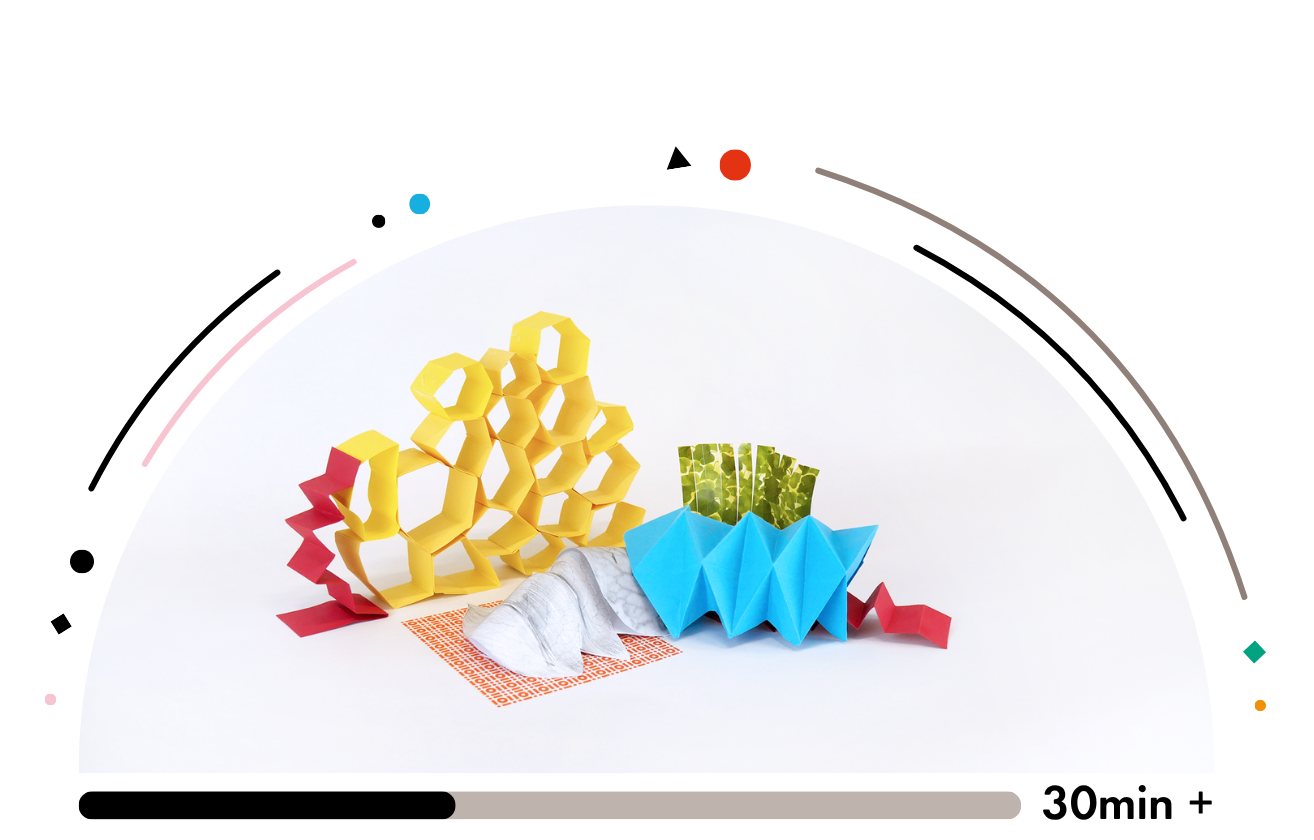
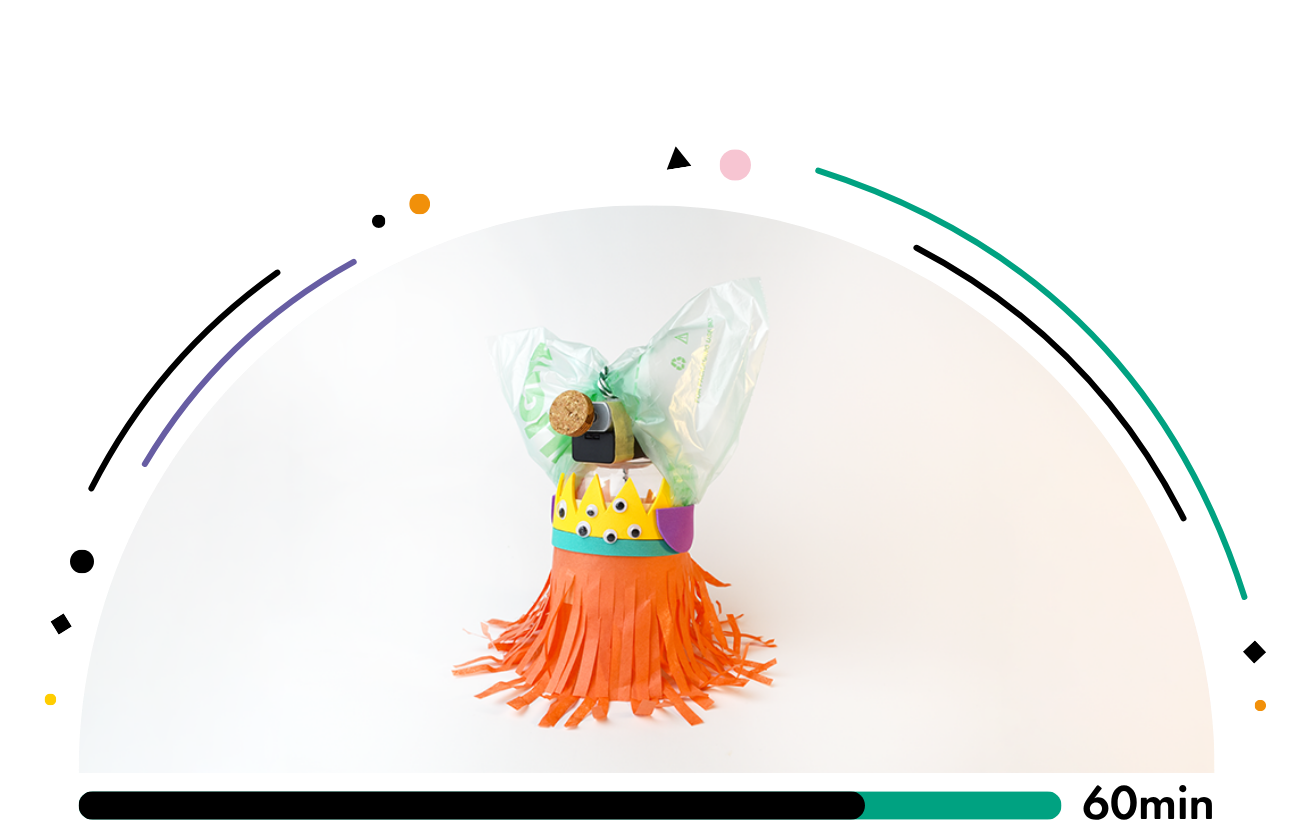
Our activities are designed to fit different schedules, confidence levels and classroom settings. Choose from quick, low-prep activities or more in-depth projects that encourage deeper exploration and experimentation.
Why teachers use iOi activities
Looking for a hands-on way to teach a concept where worksheets aren't landing?
Our activities replace explanation with experimentation. Students build, test and adjust their way to understanding.
Need something that fits a packed schedule?
Choose from low-prep activities you can run with materials already in your classroom.
Trying to build collaboration, creativity or problem-solving without it feeling like a separate "extra" on top of your curriculum?
Our activities develop these skills as a byproduct of the task itself, not as a standalone lesson.
The result: curious, confident problem-solvers who connect technical knowledge with creativity and real-world thinking - but you get there by solving your own classroom challenge first.
How our activities support learning
As educators, we shape future generations by nurturing creativity, curiosity, and critical thinking beyond subject-specific skills. Our transformative approach to learning is rooted in the vision of our late founding patron, Sir Ken Robinson.
As a result, we emphasise his 8 Core Competencies shown below. Through STEAM-based, hands-on experiences that blend arts, sciences, and technology, we foster innovation, problem-solving, and adaptability preparing children with essential skills for a rapidly evolving world.
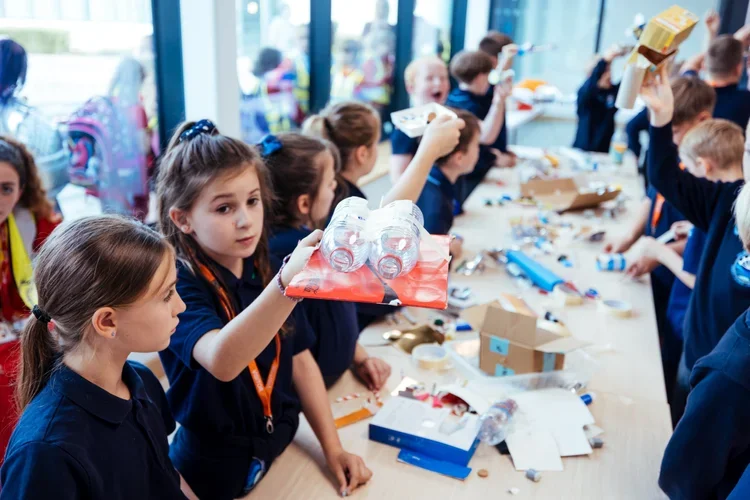
Our activities are rooted in five evidence-based learning approaches: constructionism, learning through play, habits of mind, embodied cognition and tinkering. Rather than passive instruction, children learn by doing — building, moving, experimenting and reflecting. This hands-on, playful approach develops not just knowledge, but the habits and dispositions children need to become confident, curious and independent learners.
Constructionism
Learning by making. Children learn best when they actively create, build and test ideas themselves. Making tangible things helps deepen understanding and encourages ownership of learning and collaboration.
In the classroom: Swap a worksheet for a build. If you're teaching forces, have students construct a bridge from straws and tape rather than diagram one. The failure points teach the physics.
Learning Through Play
Playful experiences encourage curiosity, experimentation and deeper engagement while helping children develop creativity, collaboration and critical thinking.
In the classroom: Open-ended doesn't mean unstructured. Set a loose goal ("design something that protects an egg") and let students choose the materials and method. The constraints create the play.
Habits of Mind
Students build habits like persistence, reflection, flexibility and problem-solving, helping them become more confident and independent learners.
In the classroom: Name the habit out loud when you see it. "You didn't give up — you tried aanother way. That's persistence." turns an abstract framework into a shared classroom vocabulary students start using on themselves.
Embodied Cognition
Using movement, materials and physical interaction helps children better understand and remember ideas.
In the classroom: If a concept can be acted out, act it out before you explain it. Students physically forming a molecule's shape, or walking through a sorting algorithm, builds the mental model before the vocabulary arrives.
Tinkering
There is no single "right answer". Students learn through open-ended experimentations. By trying, adapting, testing and discovering new posibilities.
In the classroom: Resist the urge to demo the "right way" first. Give students the materials and a problem, let them attempt it badly, then debrief what they discovered. The struggle is the lesson, not a delay before it.
Learn more about our work
We believe imagination is the superpower of the 21st century. Through creative STEAM learning and hands-on tinkering, we inspire young people to explore ideas, solve problems, and think differently. We also work beyond the classroom to help educators and organisations embed imaginative approaches into learning, ensuring more children can develop the skills and mindsets needed to thrive in a rapidly changing world.
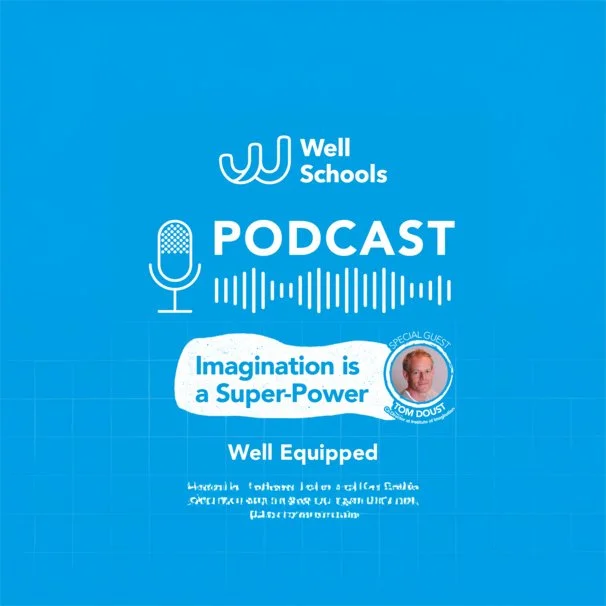
Listen to iOi Executive Director, Tom Doust, on the Well Schools Podcast. In this episode, Tom discusses the power of imagination, and how things such as play and creativity fuels productivity.
Listen here.
Learn how, since adopting iOi’s programme in their learning, St Joseph’s Primary School boosted student engagement, teacher confidence, and pupils’ problem-solving and innovation skills.
Read here.
Learn more about iOi’s work here.